Good vs bad welds: How to identify high quality welding

You might not realise it, but the modern world wouldn’t be where it is now without welding. Our heavy reliance on this economic and efficient process has allowed us to continue building taller skyscrapers, more innovative road vehicles, more ambitious ships, bridges… Almost anything made from metal will require welding at some stage. Fact

Welding doesn’t discriminate against who can become a welder, in fact, the industry is very welcoming and barriers of entry are low. Welding does, however, judge the quality of welds, don’t forget that the main objective of welding is to guarantee resistance to the stress the weld is intended to withstand.

To the naked or inexperienced eye, the difference between a good weld and a bad weld can be hard to spot. It is also important to understand that the quality of a weld can not be determined only by a visual inspection, and further tests and analysis are required. However, some details of the weld that can be seen with the naked eye can help us to make a first evaluation of the joint’s quality, let’s take a look at some of them.

Strength, Quality and Selection

The resistance of our weld is directly linked to the quality in which it was performed. The quality control is structured in three phases:

  1. Before the weld is performed, all the technical details must be reviewed to make sure that they are compliant with the technical and quality requirements.
  2. During the welding processes, all the parameters must be checked
  3. After the weld, different quality tests are performed

Since there are so many types of welding processes, each of them has its own set of defects and features that should be analysed to determine its quality. Welders tend to say that a weld shouldn’t be defined as “good or bad”, a better definition would be: “conforming or not conforming to the reference parameters and standards”. This is because a visually “bad” weld can be perfectly compliant to the goal it was designed to match, as well as a visually “good” weld can be rejected with further tests against it.

With this being said, what are the main features that we should look for when determining the quality of a weld with a visual test (VT)?

MIG Welding

Metal Inert Gas Welding, or MIG Welding for short, is often used for large industrial projects. This means that the welds bear a lot of responsibility, and so the welder using the welding gun to join the metal pieces must ensure that they are doing a top-notch job.

What defects should be analysed to determine the quality of a MIG weld with a visual test?

1. Lack of penetration to the root (when it is possible to see the back of the cord).

2. Bite on the edge of the junction

3. Lack of fusion at the edges

4. Surface cracks

5. Overlapping of the deposited metal on the base metal

6. Over thickness of deposited metal

7. Penetration excess (when it is possible to see the backside of the bead).

Most of these defects can be addressed following the WPS correctly, and making sure the physical parameters are correct and all the equipment is properly cleaned and ready.

TIG Welding

Tungsten Inert Gas Welding, or TIG Welding as most welders will refer to it, is commonly used in aerospace engineering, the automotive industry, and construction. For these reasons, it literally protects lives, and so must be applied with the utmost care and quality. It is considerably more difficult to do well than MIG Welding, and so it comes with additional responsibilities and quality control. You may also see TIG referred to as GTAW – Gas Tungsten Arc Welding.

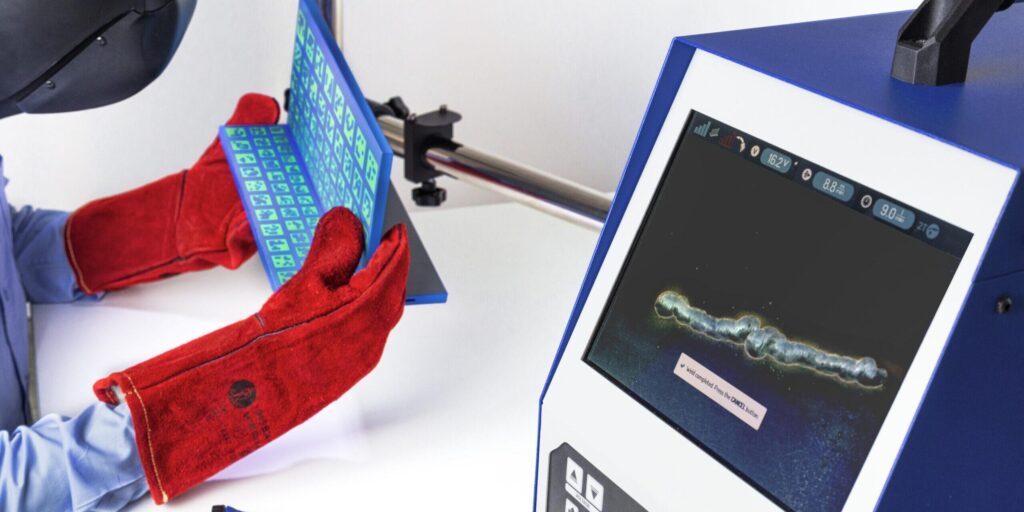
The biggest problem with TIG welds is that they are deceptively good looking, and require an experienced and educated eye to spot the problems.

Here’s what they should be looking out for:

1. Lack of penetration to the root (when it is possible to see the back of the cord).

2. Bite on the edge of the junction

3. Lack of fusion at the edges

4. Surface cracks

5. Rusty root

SMAW Welding

Finally, we have SMAW Welding (Shielded Metal Arc Welding) or, which you might also sometimes see referred to as Stick Welding MMA (Manual Metal Arc Welding). In terms of ease, this is a great type of welding for beginners and it works with all sorts of metals. Unfortunately, that same ease of use and versatility that makes it accessible to beginners is also what exposes it to the most risks of being carried out in a low-quality manner.

Pay close attention and even consider making a checklist for the next time you do a stick weld:

1. Bite on the edge of the joint. 2.

2. Slag inclusion

3. Lack of fusion at the edges

4. Surface cracks

5. Projections on the base metal and weld joint.

How does Soldamatic increase the quality of the welds?

Traditional welding training has been stagnant for too long, and new technologies like Augmented Reality are leading the development of the next industrial generation of skilled workers.

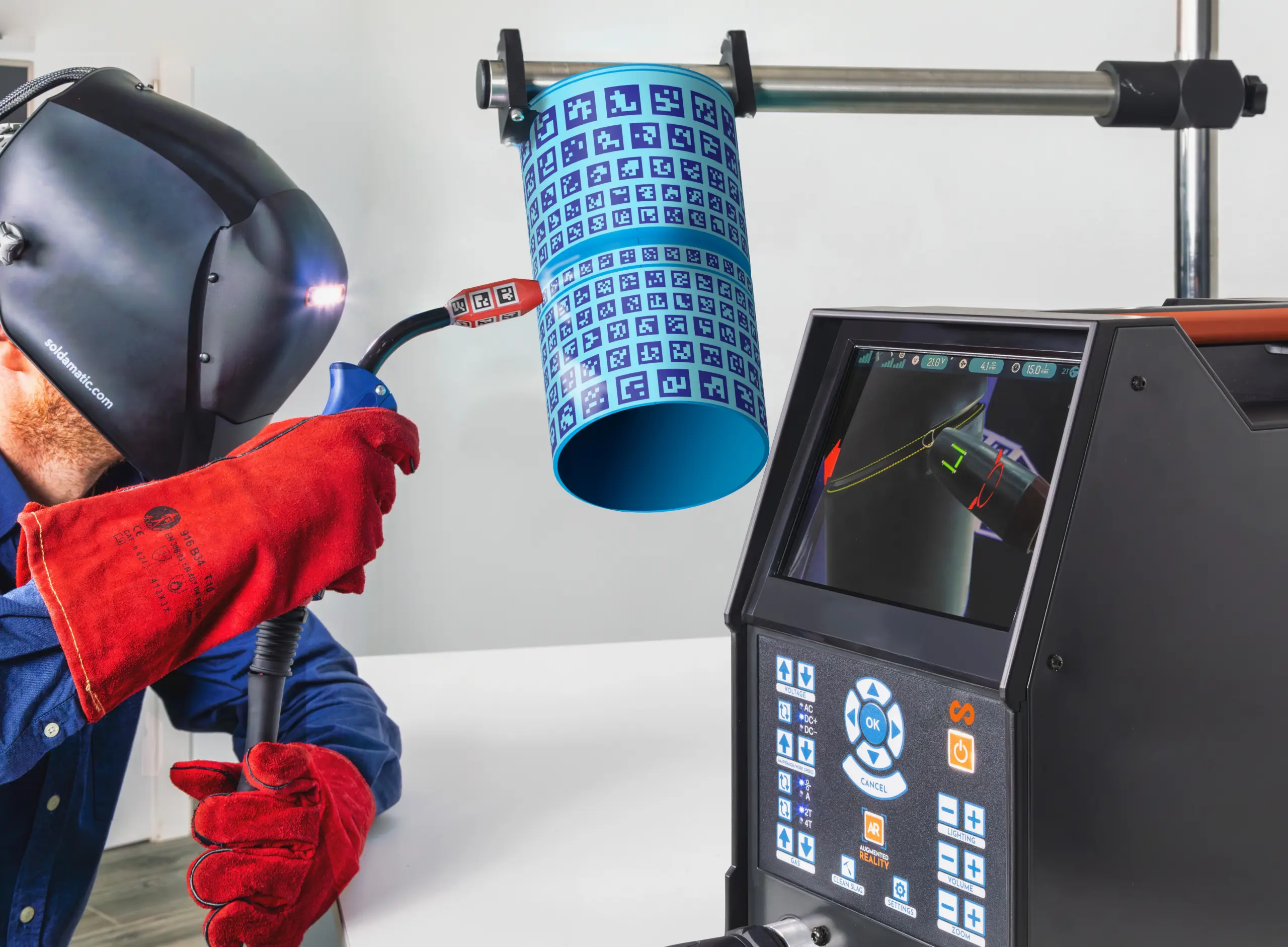
Thanks to the AR technology, Soldamatic allows training without using materials and consumables, giving trainees the extra training they may require. After the weld is performed, Soldamatic provides a full in-depth analysis of the weld performed, letting the trainee understand the mistakes and review the practice anytime.

Would you like to see how it works?

Conclusions

However, these are some advices that could help you to perform a high-quality weld:

Would you like to book a free online demo?

The Augmented Reality Seabery Robotics solution that bridges welding training and robotic automation. Complete the form to receive more information and explore how it fits your educational or technical program.

Request a product demo

Scroll to Top