






Industrial occupations are gaining renewed importance as companies face more demanding production standards, technological change, and a growing need for qualified talent. In this context, salary levels offer a useful perspective on how the labour market values technical expertise, adaptability, and the ability to perform reliably in complex industrial environments.
This article analyzes wage data for professional occupations such as welding and industrial painting.
Factors influencing salary levels
Salary differences within industrial occupations are not only determined by the job title itself. They also depend on the level of specialization, the complexity of the tasks performed and the worker’s ability to meet productivity, quality, and safety standards.
Industrial workers who perform highly specific or complex tasks are often more valuable than those in more general production roles. The more advanced the process, material, equipment, or procedure involved, the greater the need for trained professionals who can perform accurately and consistently.
Experience remains a key element in salary differences, but it is increasingly connected to performance. Companies value workers who can complete tasks efficiently, maintain consistent quality, avoid defects, reduce rework, and contribute to productivity. In industrial occupations, practical experience combined with measurable performance can make a significant difference in career progression.
Another important factor is the industrial sector. Salaries can vary depending on whether the professional works in automotive, aviation, railway, shipbuilding or heavy industry. Sectors with stricter safety and quality requirements usually demand more qualified workers, which can increase the value of specialized profiles.
Many industrial companies look for professionals who can demonstrate that they understand technical procedures, safety requirements, equipment operation, and quality-control criteria. Certified workers are usually better prepared to reduce errors, follow standardized processes, and adapt to different industrial environments


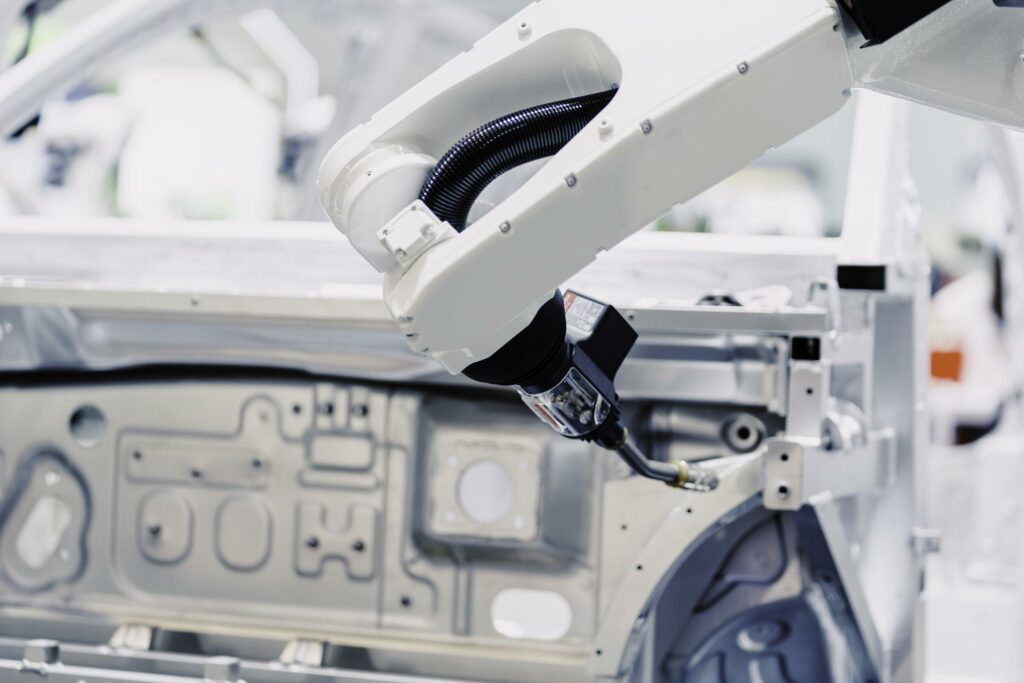
Automation and digitalization are becoming increasingly relevant. Workers may need to interact with robotic systems, digital production platforms, automated machinery, sensors, inspection tools, or data-based quality systems. For example, welding professionals may work with robotic welding cells, while painting professionals may use automated spray systems. As industrial processes become more technological, professionals who combine practical skills with digital and technical knowledge are better positioned for higher-value roles.
| Factors that explain salary differences |
| Industrial sector |
| Skills shortages |
| Technical specialization |
| Certifications and formal training |
| Experience and performance |
| Automation and digitalization |

The importance of modern training in industrial occupations
Traditional training methods are no longer enough to meet the demands of today’s industrial environments. As technology, automation, and quality standards evolve, companies need modern training approaches that prepare workers for more complex and digitalized roles.
Building adaptable industrial profiles
Modern training helps prepare professionals for a wider range of tasks and responsibilities. Instead of focusing only on repetition, it encourages learners to understand the process behind each task: why errors occur, how quality is measured, and how decisions affect productivity.
This is especially important in industrial environments where workers may need to move between different machines, materials, processes, or production requirements.
Reducing the gap between training and real work
One of the main challenges in industrial education is ensuring that learners are ready for real workplace conditions. Modern methodologies make it possible to recreate technical situations, introduce progressive levels of difficulty, and expose students to common mistakes before they happen in production. This helps reduce the distance between classroom learning and industrial performance.
Using data to improve learning
Digital tools allow training to become more objective and measurable. Instructors can track progress, identify patterns, and understand which skills need further development.
Learners can also receive clearer feedback, making it easier to correct mistakes and improve over time. This data-based approach supports more efficient training and helps companies make better decisions about workforce development.
Safer and more efficient skill development
Many industrial occupations involve risks, consumables, machinery, or environmental impact. Modern training solutions can help learners practice procedures before working with real equipment, reducing unnecessary material use and improving safety during the learning process.
Preparing workers for automation and digitalization
As industrial processes become more automated, workers need to understand not only how to perform a task, but also how to interact with digital and automated systems. Modern training helps learners build the technical adaptability required for these environments.
Connecting training with salary progression
Because higher salaries are often linked to specialized skills, modern training can support career progression. Professionals who can work accurately, reduce defects, follow procedures, and adapt to new technologies are better positioned for higher-value roles.
For companies and training centres, investing in modern training methodologies is not only a way to improve education; it is also a strategy to prepare workers for the real demands of today’s industrial labour market.
Salaries reflect the value of specialized industrial skills
Professional occupations in industry require a combination of manual precision, technical understanding, quality control, and the ability to adapt to increasingly digitalized production environments. Welding and industrial painting are two clear examples of how specialized skills can influence salary potential and career progression.
Welding industry
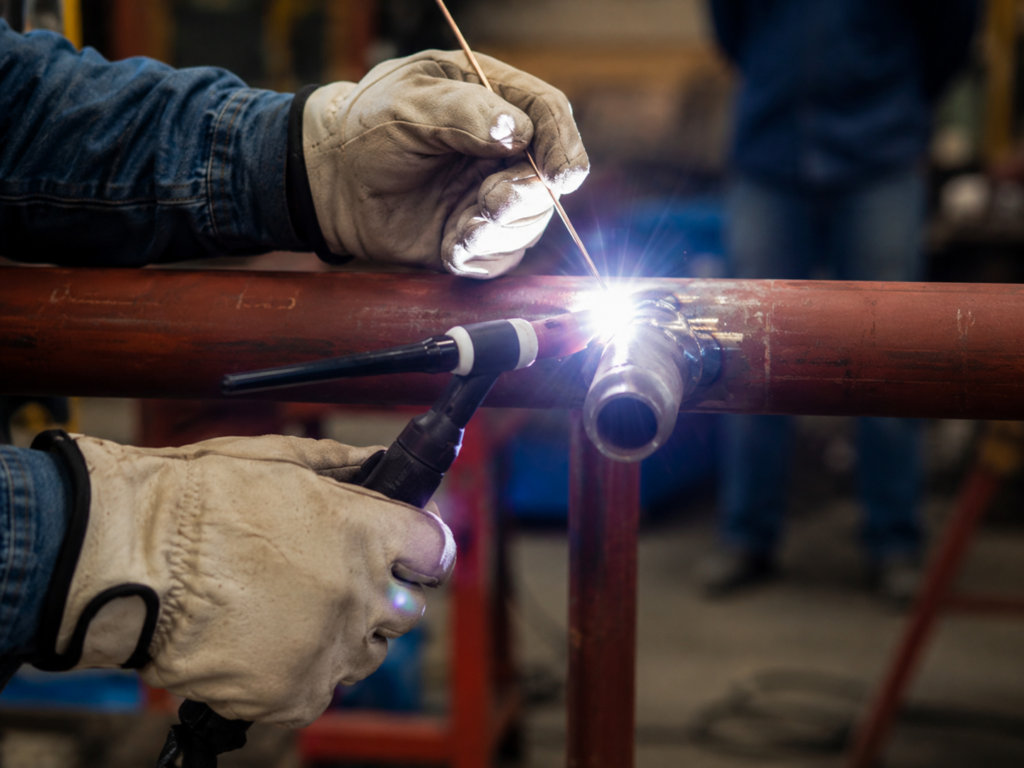
Welding is one of the most representative technical occupations in industrial environments. A welder must understand materials, welding positions, procedures, parameters, safety requirements, and inspection criteria. In more advanced industrial contexts, welders may also interact with robotic welding cells, digital production systems, and automated quality-control processes.
According to the U.S. Bureau of Labor Statistics, welders, cutters, solderers, and brazers earned a median annual wage in the United States of $51,000 in May 2024. The lowest 10% earned $38,130 or less, while the highest 10% earned $75,850 or more.
This range shows how salary potential can increase when professionals move from basic manual tasks to more specialized, accurate, and demanding industrial applications.
Painting industry
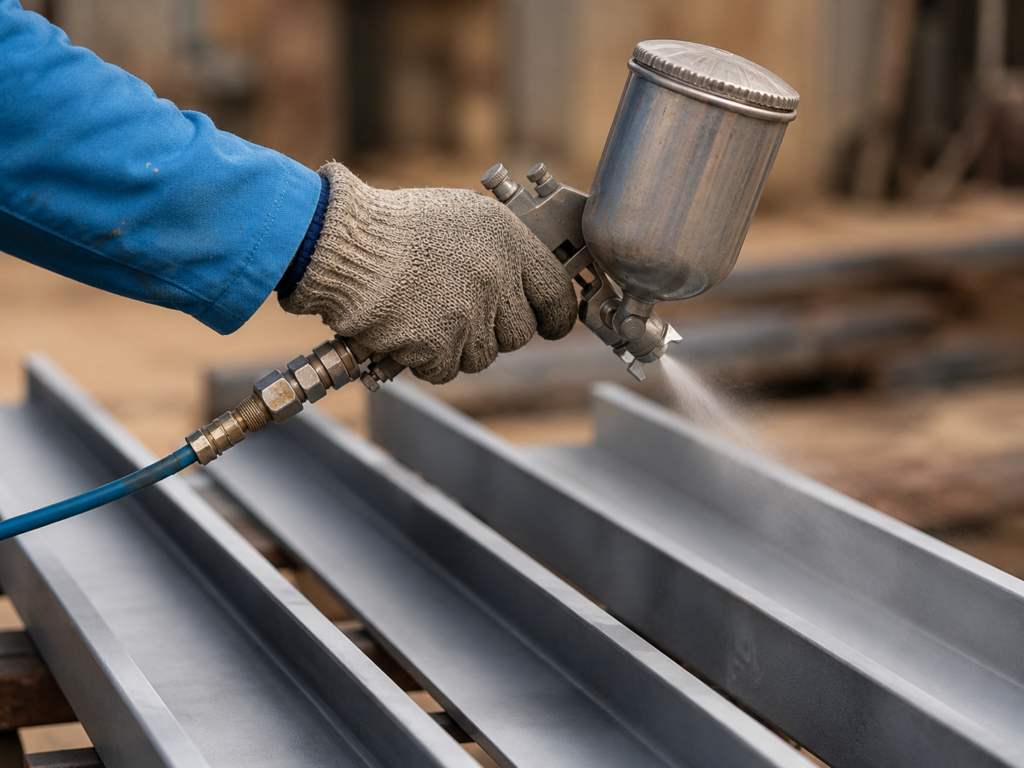
Industrial painting also offers relevant professional opportunities. Painting and coating roles are essential in sectors where surface preparation, finishing quality, coating consistency, corrosion protection, and visual standards directly affect product value, durability, and safety.
For painting, coating, and decorating workers, the BLS reports a 2024 median wage of $19.64 per hour, equivalent to $40,860 annually. The lowest 10% earned less than $28,490, while the highest 10% earned more than $62,770. This occupation is especially relevant in manufacturing and industrial environments where workers need to apply coatings with precision and consistency.
A more specific industrial painting role is coating, painting, and spraying machine setters, operators, and tenders. O*NET reports a 2024 median wage of $22.88 per hour, equivalent to $47,590 annually. This role is particularly important in industrial environments where workers operate or tend equipment used to coat or paint products and components.
| Occupation | Median wage | Wage range / reference |
| Welders, cutters, solderers and brazers | $51,000/year | Lowest 10%: under $38,130;
Highest 10%: over $75,850 |
| Painting, coating and decorating workers | $40,860/year | Lowest 10%: under $28,490;
Highest 10%: over $62,770 |
| Coating, painting and spraying machine operators | $47,590/year $22.88/hour | Median wage based on 2024 BLS data via O*NET |
How simulation improves industrial training
There is currently a growing shortage of qualified professionals in industrial sectors such as welding and spray painting, which is increasing the value of well-trained workers. According to the American Welding Society’s workforce data, the United States is projected to need 320,500 new welding professionals by 2029, with an average of 80,000 welding jobs to be filled annually between 2025 and 2029. This demand is driven not only by new industrial activity, but also by replacement needs as experienced workers retire or transition into other roles. As industries continue to modernize and automate their production processes, the need for highly qualified professionals capable of meeting strict quality and safety standards becomes even more critical.
In this context, Seabery’s solutions are directly aligned with the evolution of industrial training and the growing demand for skilled workers.
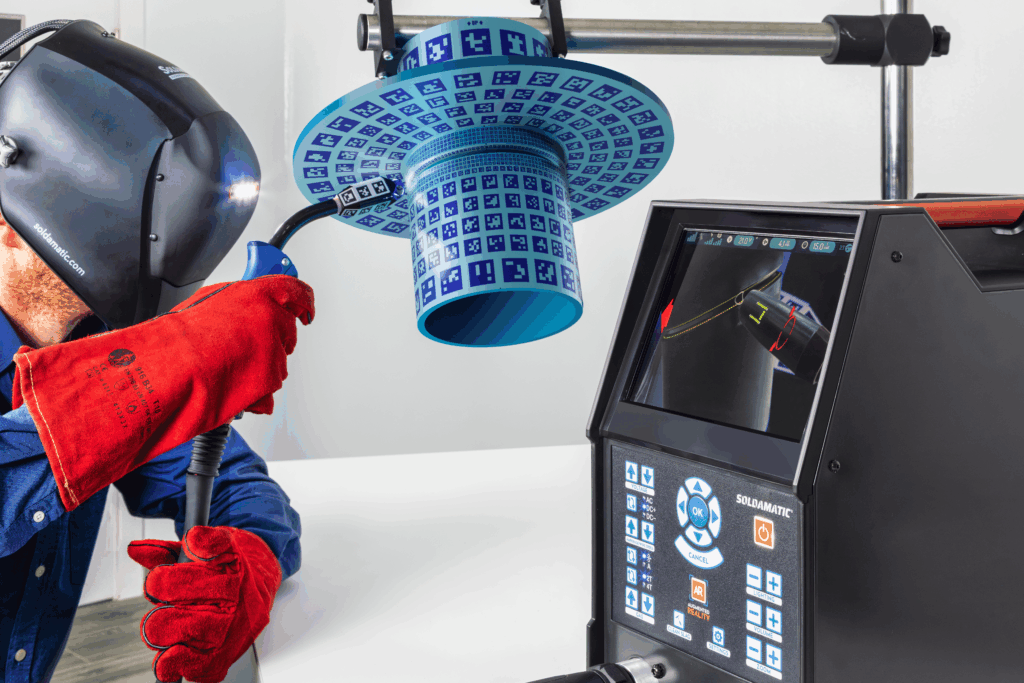
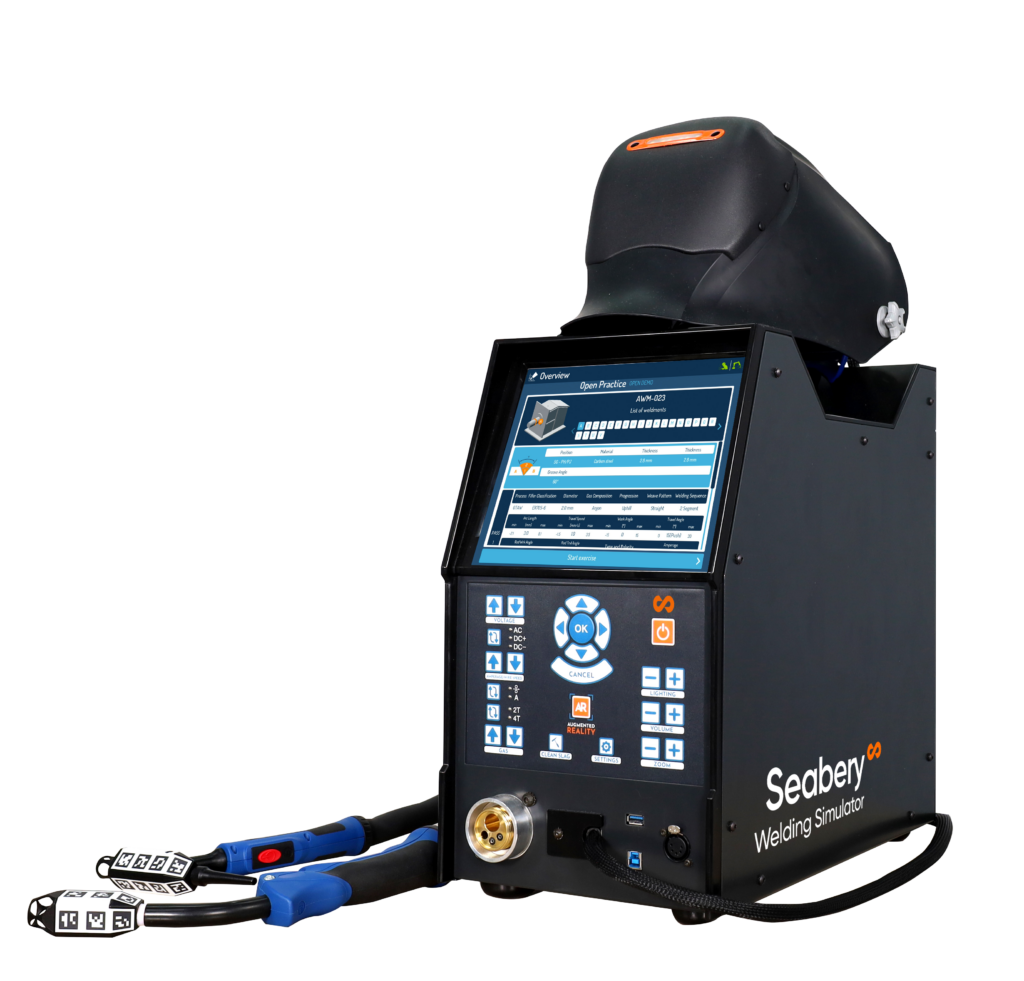
On the one hand, Seabery Welding Simulator helps learners develop welding skills in a realistic, safe, and measurable environment. It allows students to practise welding procedures, positions, and techniques while receiving immediate feedback on their performance. This makes the learning process more structured and supports a modern methodology based on data, repetition, and continuous improvement.
For training centres, Seabery Welding Simulator helps optimize resources and improve the quality of instruction. Trainees can practice before entering the real workshop, reducing material waste and improving safety. Instructors can monitor progress, identify technical errors, and personalize the learning path according to their needs. This is especially valuable in industrial sectors where welding quality is critical, such as automotive, aviation, railway, shipbuilding, and oil and gas.
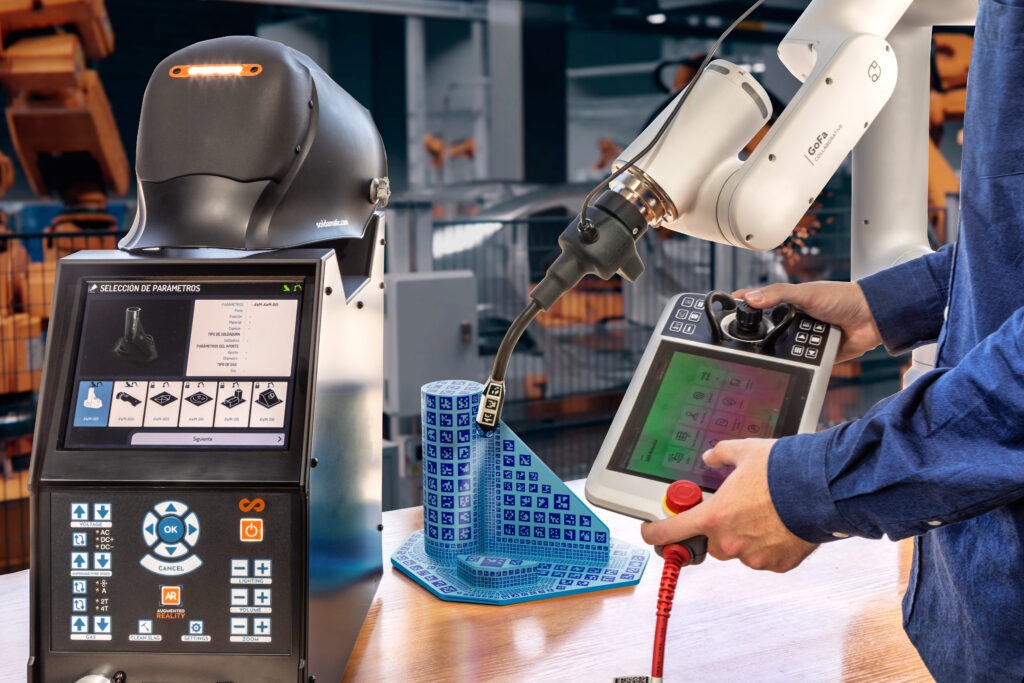
In addition to that, Seabery Robotics expands this training approach to robotic welding, an increasingly important area in modern industrial production. Robotic welding cells require qualified professionals who can understand welding parameters, programming logic, process optimization, safety requirements, and quality standards. A robotic system is only as effective as the people who program, maintain, and optimize it. Seabery Robotic Welding Simulator helps training centres and companies prepare learners for automated industrial environments by supporting the development of robotic welding skills.
On the other hand, Seabery Spray Painting Simulator applies the same approach to industrial painting. Spray painting requires control of distance, angle, speed, overlap, and trajectory. Mistakes can lead to defects, wasted paint, poor finish quality, and additional costs. Through simulation, learners can practice these techniques without consuming paint, generating emissions, or damaging materials.
Skills, training and technology define the future of industrial careers
Salary trends in industrial occupations show that technical roles remain essential for modern production. However, the value of these professionals increasingly depends on more than practical experience alone. Specialization, quality awareness, digital skills, and the ability to work with advanced equipment are becoming key elements of career development.
For companies and training centres, this creates a clear challenge: preparing workers for industrial environments that are more automated, data-driven, and demanding. Modern training solutions, including simulation and Augmented Reality, can help close this gap by making learning safer, more measurable, and better aligned with real workplace needs. In this way, investment in training becomes directly connected to employability, productivity, and long-term industrial competitiveness.
Would you like to book a free online demo?
If you are interested in experiencing first-hand the power of Seabery Solutions, we invite you to complete our form to request a personalized demo – contact us now to explore the possibilities Seabery can offer your company or training center!