





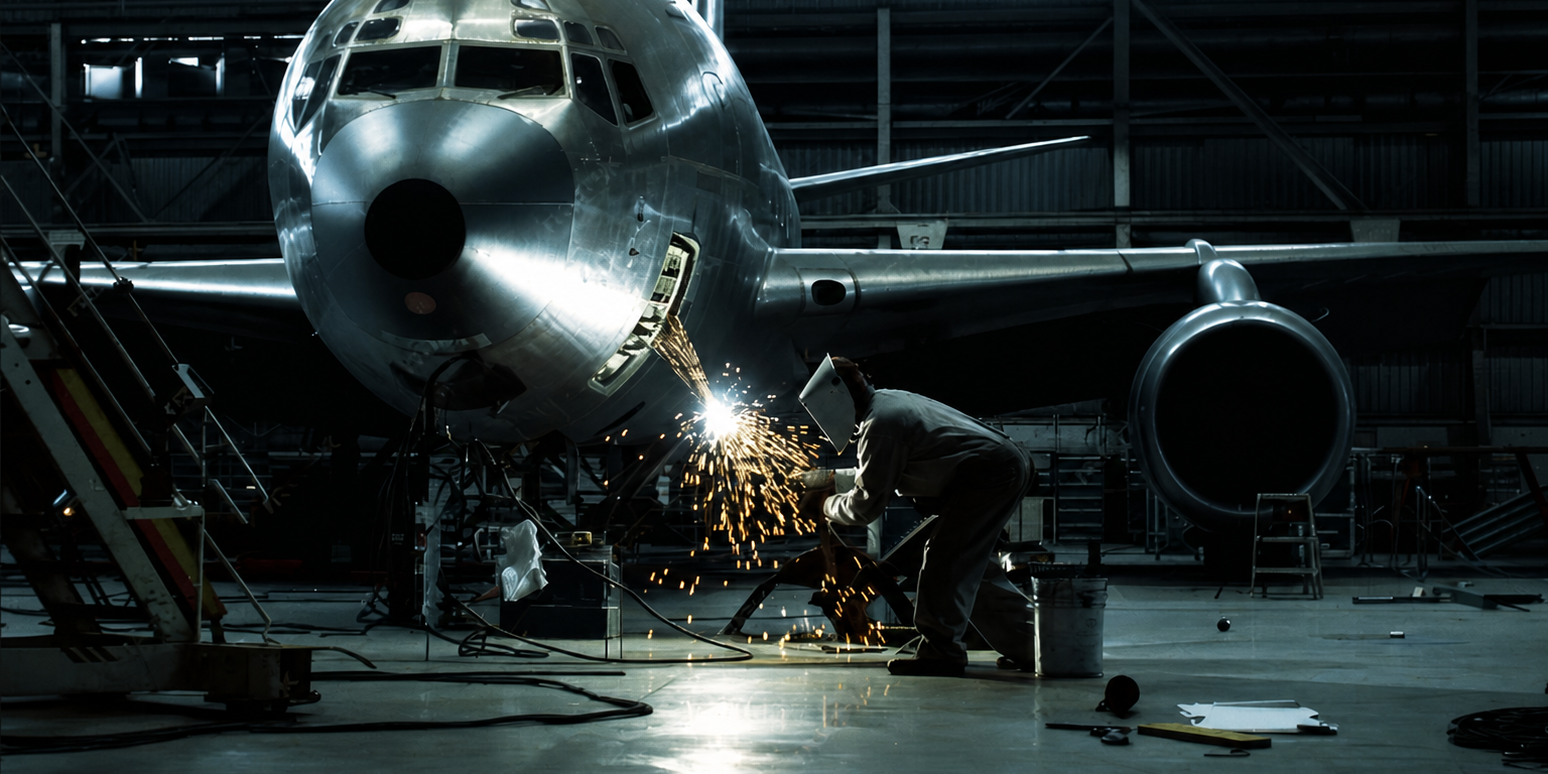
Aircraft welding training is one of the most demanding areas within industrial welding because the margin for error is extremely small. In the aerospace industry, weld quality directly impacts structural integrity, safety, and performance. Unlike general welding applications, aircraft welding involves advanced materials, strict tolerances, and rigorous inspection standards.
As the sector evolves, training methods are also transforming. Technologies such as Augmented Reality (AR), welding simulators, automation, and digitalization are redefining how welders learn and practice. These innovations make training more efficient, reduce risks, and better prepare professionals for modern manufacturing environments.
To fully understand aircraft welding training, we explore the requirements focusing on what is necessary to enter and work in the field and useful tips for meeting them.
Key requirements for aircraft welding training
Aircraft welding is governed by strict industry standards, and meeting these requirements is essential for anyone aiming to work in aerospace manufacturing or maintenance.
Qualification and certification
A strong educational foundation is the first step toward becoming an aircraft welder. Training programs must provide both theoretical knowledge and practical skills, ensuring that students understand welding principles, metallurgy, and process control. However, education alone is not sufficient.
Certification is mandatory in the aerospace sector. Standards such as the American Welding Society (AWS) D17.1 specification define the criteria welders must meet to perform work on aircraft components. These certifications verify that welders can execute procedures under real-world conditions, using the correct materials, positions, and techniques. Training programs must therefore prepare students not only to weld competently but also to successfully pass rigorous qualification tests.
Mastery of aerospace materials
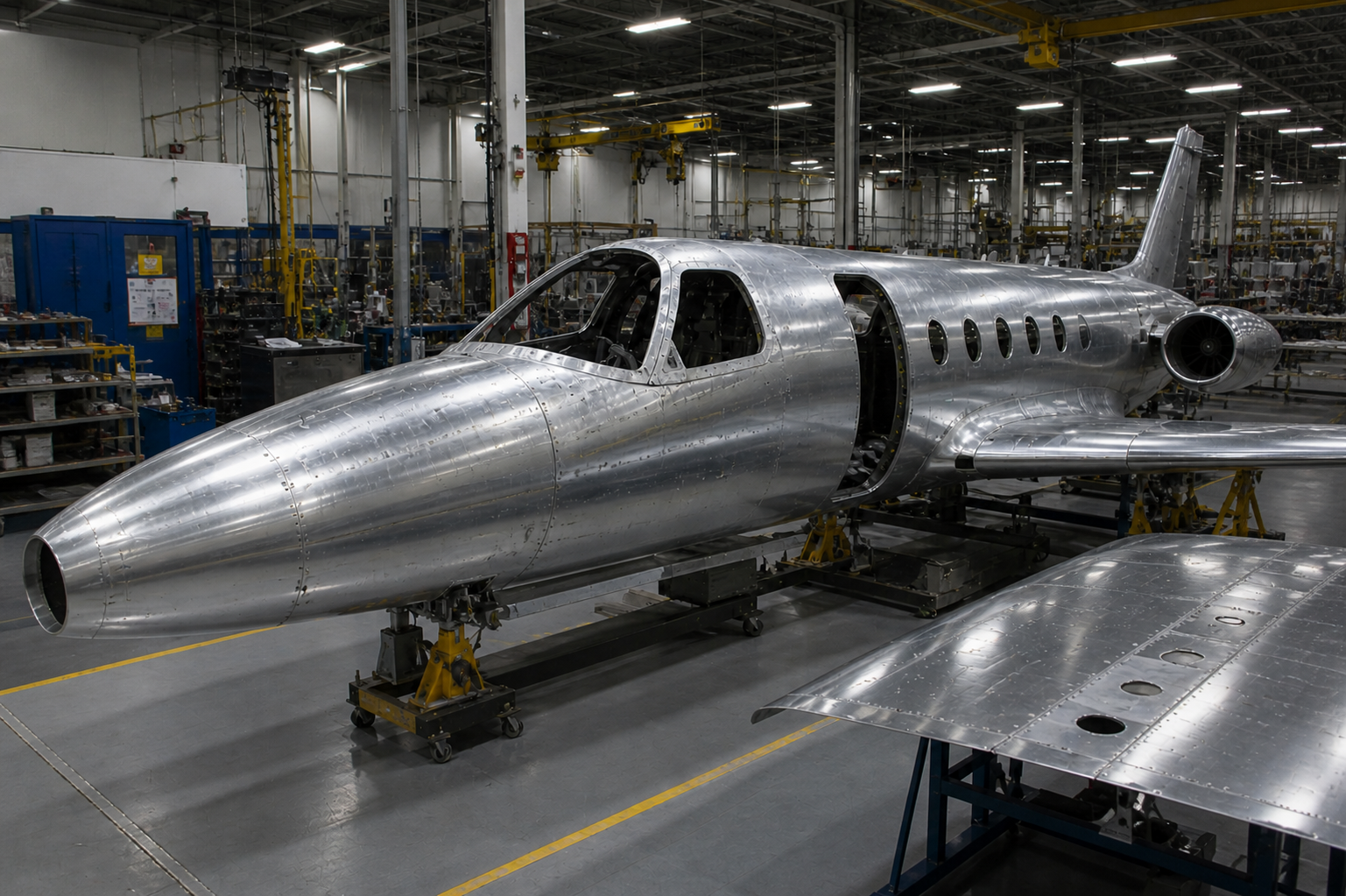
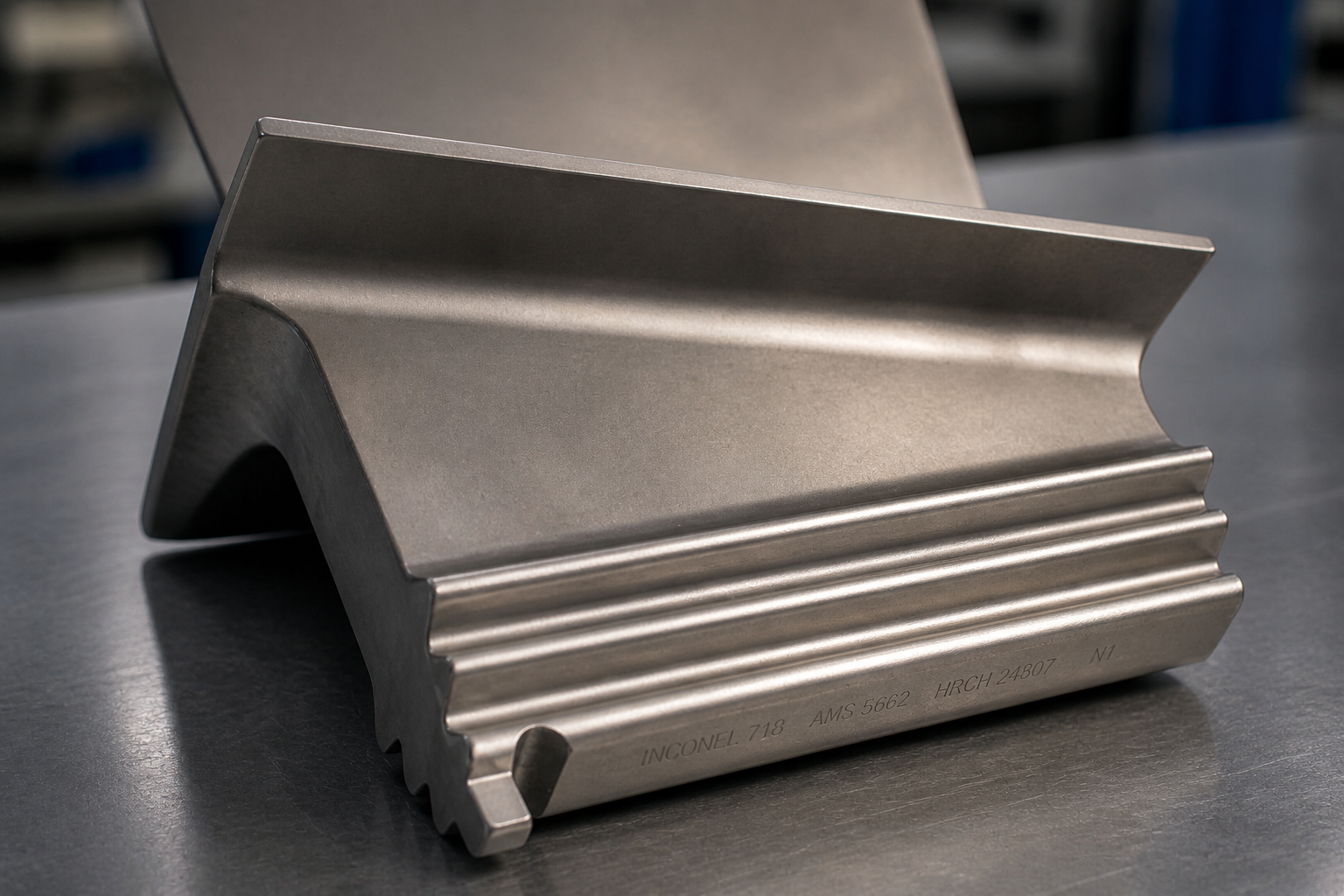
Other of the fundamental requirements is understanding the behavior of aerospace materials. Aircraft components are often made from aluminum alloys, titanium, stainless steel, and nickel-based alloys. Each material requires different welding techniques, heat control, and shielding conditions.
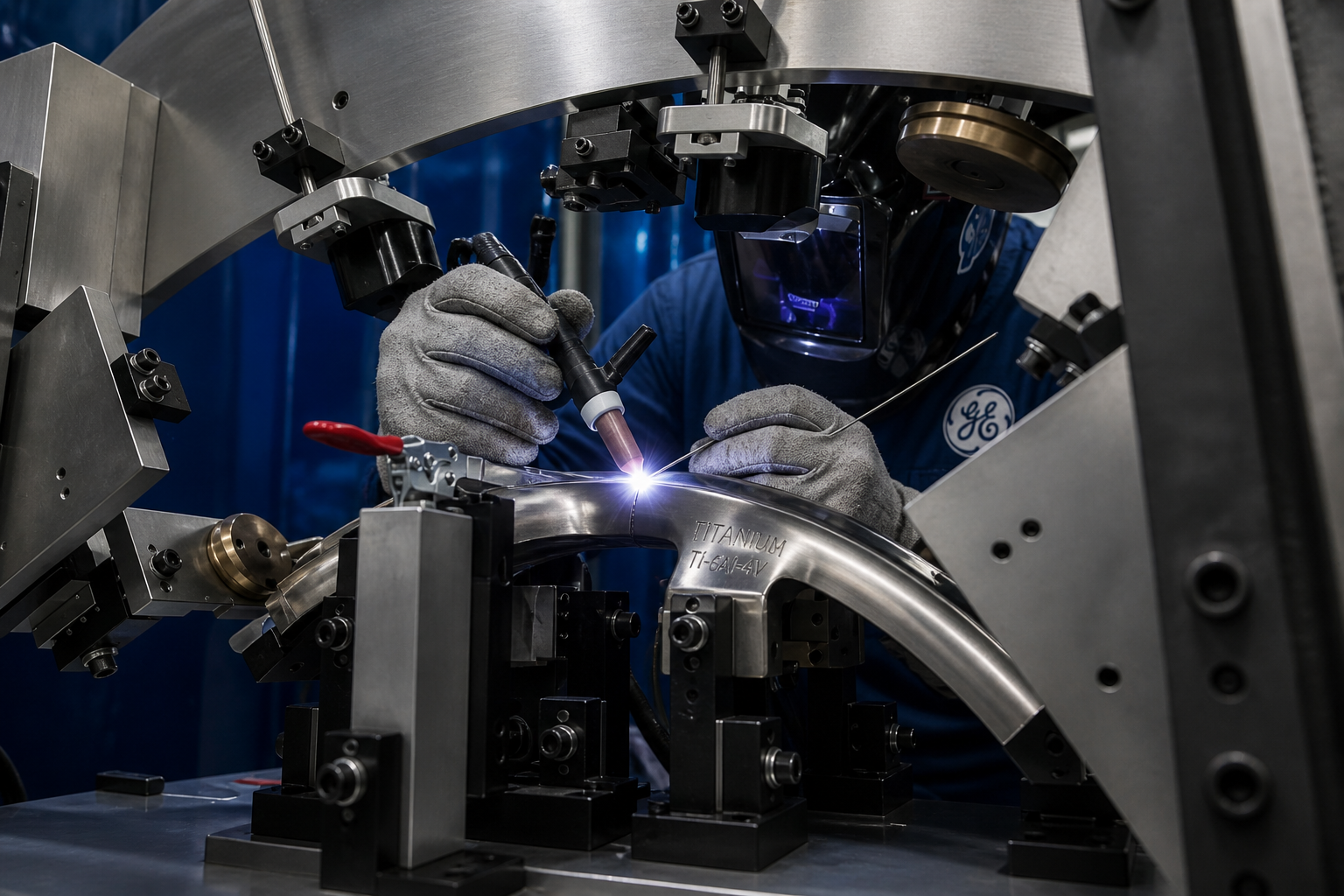
As an example, titanium welding requires strict contamination control and is typically performed using processes such as Tungsten Inert Gas (TIG). According to NASA specifications, only certain welding processes are acceptable for titanium alloys due to their sensitivity to oxygen and impurities. This highlights how material knowledge is not optional: it is essential.
Compliance with strict procedures
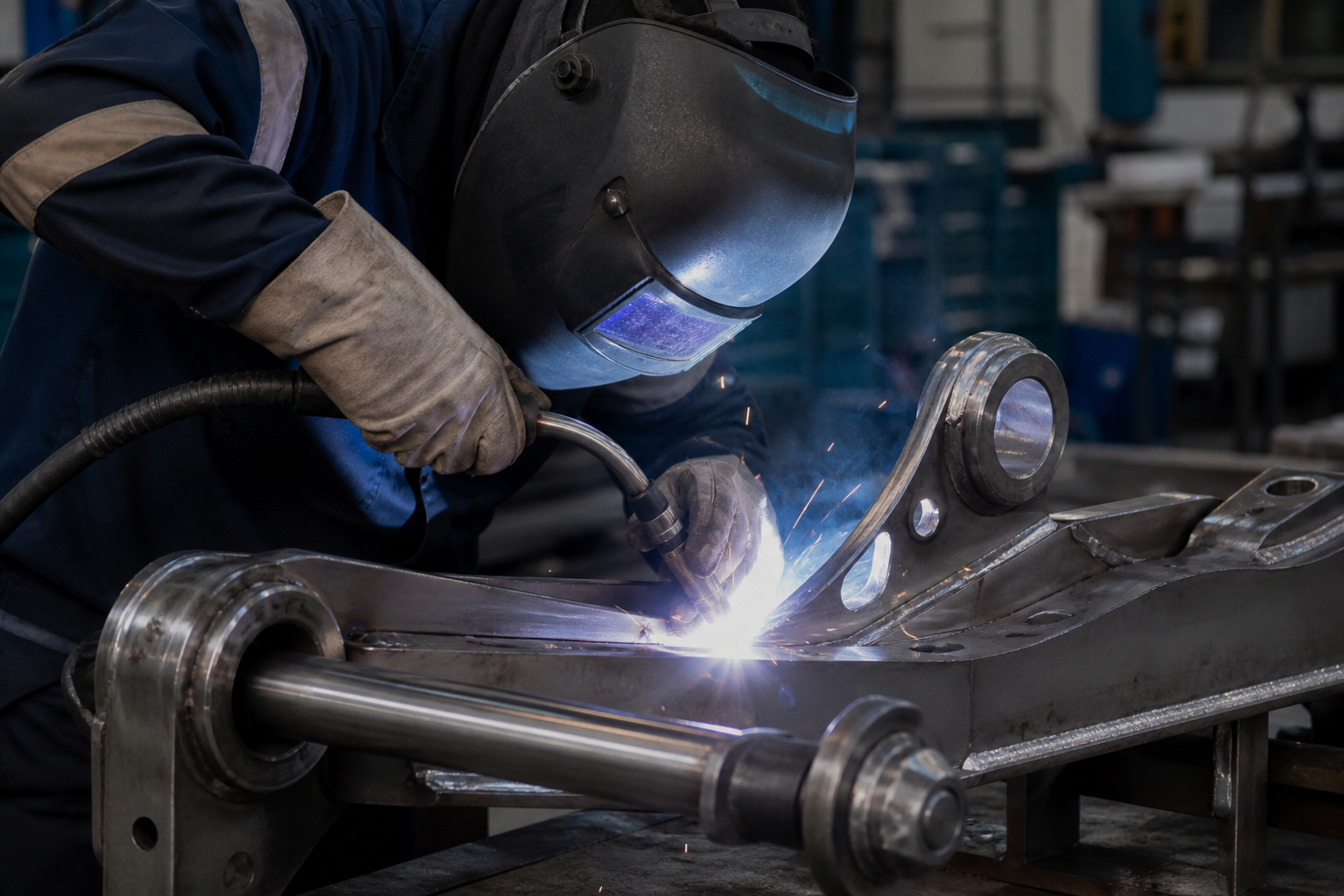
In aircraft welding, every operation must follow a predefined Welding Procedure Specification (WPS). These procedures outline parameters such as current, voltage, travel speed, and shielding gas composition. Deviation from these parameters is not acceptable.
Organizations like the Federal Aviation Administration (FAA) provide detailed guidance on acceptable methods, techniques, and practices for aircraft repair and manufacturing. Training programs must instill discipline, precision, and consistency, ensuring that welders understand the importance of following approved procedures at all times.
Documentation and traceability
Traceability is a core requirement in aviation. Every weld must be documented, including the procedure used, materials, operator qualifications, and inspection results.
The European Union Aviation Safety Agency (EASA) emphasizes structured training and competence assessment within approved maintenance organizations. This ensures that all work performed on aircraft components can be traced and validated.
Ability to read and interpret technical drawings
Aircraft welders must work from detailed engineering drawings that include welding symbols, dimensions, and tolerances. Misinterpreting a drawing can lead to incorrect weld placement or geometry, potentially compromising the entire structure. Training must therefore include a strong focus on blueprint reading and technical interpretation.
Being safety-conscious
Safety is critical in any welding environment, but it is especially important in aerospace applications. Welders must be trained in the proper use of Personal Protective Equipment (PPE), ventilation systems, and safe handling of tools and materials.
Tips to excel in aircraft welding training
Beyond meeting requirements, certain strategies can significantly enhance learning outcomes and professional performance:
Focus on fundamentals before complexity
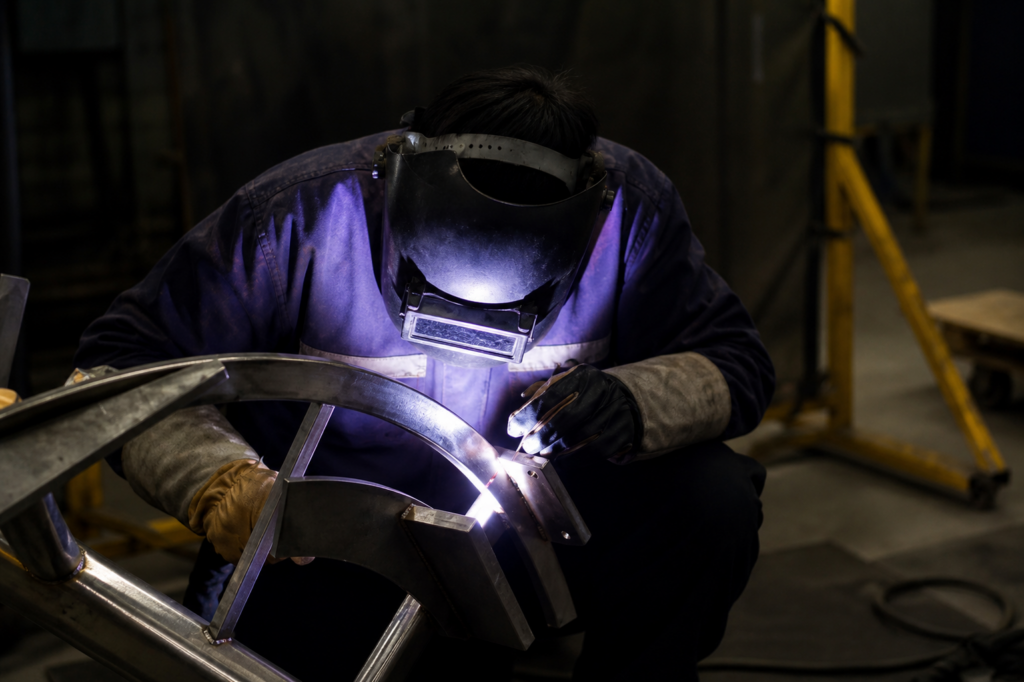
Students should first master basic welding techniques, such as torch control, travel speed, and work angle, before moving on to advanced aerospace applications. A strong foundation reduces the likelihood of defects when working with complex materials.
Follow a structured training methodology
A step-by-step approach to learning ensures that skills are built progressively. Modern methodologies focus on competency-based training, where each stage must be mastered before moving forward.
Encourage continuous improvement
Aircraft welding is not a static skill. New materials, processes, and standards require ongoing learning. Training programs should encourage a mindset of continuous improvement and adaptation.
Leverage automation and digitalization
Digitalization is transforming industrial training, including welding. Technologies such as AR-based welding simulators provide a safe and controlled space where trainees can practice without exposure to heat, fumes, or radiation. This allows for repeated practice without material consumption.
Other of the most valuable features of these systems is real-time feedback. Trainees can immediately identify mistakes related to angle, speed, or positioning and correct them on the spot. This accelerates the learning process and improves skill retention, making simulators an essential tool in modern welding training.
Focus on quality control and defect detection
Inspection is a critical component of aircraft welding training. Welders must learn to identify and prevent defects such as porosity, cracks, lack of fusion, and distortion.
In aerospace applications, weld quality is verified through visual inspection and Non-Destructive Testing (NDT) methods. The AWS also offers specialized endorsements for inspectors working under aerospace standards, reinforcing the importance of inspection knowledge alongside welding skills.
Build a strong safety mindset early
Developing safe habits early ensures that professionals can operate effectively in high-risk environments without compromising their well-being or that of others.
| Requirement | What it involves | Tip to achieve it successfully |
| Mandatory certification | Passing standards such as AWS D17.1 through demanding practical tests | Practice under exam-like conditions (e.g., AR simulators) |
| Mastery of aerospace materials | Understanding aluminum, titanium, stainless steel, and special alloys | Focus on one material before moving to another |
| Compliance with WPS | Following exact parameters (current, speed, gas, etc.) | Train with real-time feedback to correct deviations |
| Technical drawing interpretation | Reading symbols, tolerances, and engineering specifications | Practice with real industrial blueprints |
| Traceability and documentation | Recording processes, materials, and inspection results | Develop documentation habits early in training |
| Quality control and inspection | Detecting defects and applying NDT methods | Study weld defects alongside hands-on practice |
| Safety awareness | Proper use of PPE and strict safety protocols | Build safe habits from day one |
| Adaptation to new technologies | Using simulators, automation, and digital tools | Encourage continous improvement |
Core Competencies for Aircraft Welding Professionals
In addition to technical requirements, aircraft welding demands a set of core competencies that ensure precision, consistency, and compliance with industry standards. Developing these skills is essential for both training success and real-world performance.
| Competency | What it involves | How to develop it during training |
| Documentation accuracy | Recording data clearly and without errors | Use structured reporting during training |
| Situational awareness | Understanding task context and surrounding risks | Simulate real working conditions |
| Responsibility | Taking ownership of work quality and outcomes | Assign individual tasks with evaluation |
| Focus under pressure | Maintaining performance in demanding situations | Train with controlled stress scenarios |
Innovative approaches to aircraft welding training
Seabery offers innovative solutions that align perfectly with the evolving needs of aircraft welding training.
On one hand, Seabery Welding Simulator revolutionizes how aircraft welding training is delivered. By combining immersive AR technology with advanced analytics, it creates a realistic and highly effective learning environment.
One of the key strengths of Seabery Welding Simulator is its ability to provide real-time, data-driven feedback. Trainees can immediately see how their technique compares to industry standards, allowing for faster improvement and better skill retention.
The platform also supports a structured training methodology, enabling instructors to guide students through progressive learning stages while tracking performance metrics. This ensures consistent and measurable outcomes across training programs.
Another important aspect is efficiency. By reducing the need for consumables like metal, gas, and electrodes, it lowers costs and makes training more accessible. At the same time, it contributes to sustainability by minimizing waste.
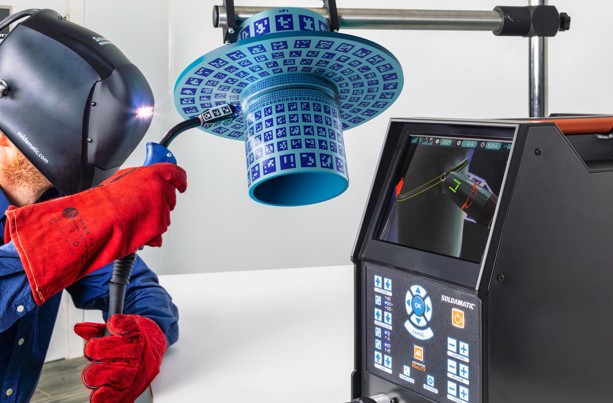
On the other hand, Seabery Robotics solution expands training into the field of automation. It allows trainees to understand and interact with robotic welding systems, which are increasingly used in aerospace manufacturing. This prepares professionals to work in environments where manual and automated processes coexist.
Through this combination of realism, data analysis, structured learning and robotics, Seabery provides a solution that enhances training quality while meeting the evolving demands of aircraft welding.
The future of aircraft welding training
Aircraft welding training is becoming more demanding as the aerospace industry continues to evolve. Stricter regulations, advanced materials, and higher quality expectations are raising the bar for welders and technicians. In this context, the way professionals are trained is just as important as the work they perform.
In a sector where every weld has a direct impact on safety and performance, training quality defines operational success. Preparing skilled, adaptable, and detail-oriented welders is not simply a goal: it is a necessity for the future of aerospace manufacturing.
The most effective training models combine strong technical knowledge, hands-on practice supported by a clear methodology, and familiarity with digital tools. AR welding simulators, automation, and digitalization are no longer optional additions: they are becoming integral components of modern training systems.
Would you like to book a free online demo?
If you are interested in experiencing first-hand the power of Seabery Welding Simulator, we invite you to complete our form to request a personalized demo – contact us now to explore the possibilities Seabery can offer your company or training center!