





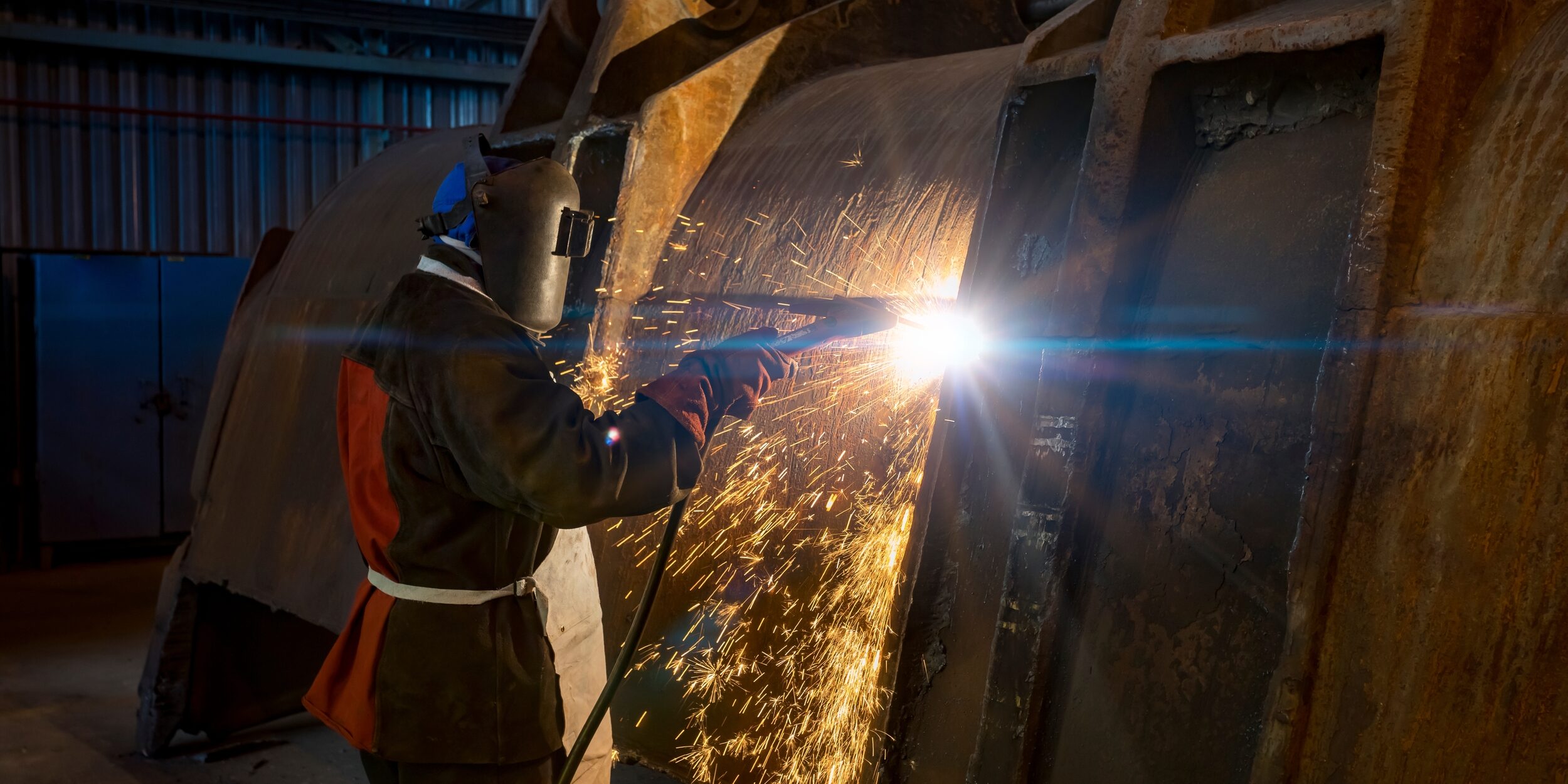
Heavy machinery plays a crucial role in many industrial sectors such as construction, mining, agriculture, shipbuilding, and energy production. These machines operate under extreme conditions, including heavy loads, high temperatures, vibration, and constant mechanical stress.
Over time, these factors can cause structural damage such as cracks, worn joints, and fractured components. Instead of replacing entire parts or machines, industries often rely on welding repair techniques to restore structural integrity and extend equipment lifespan.
This article explores the most common heavy machinery welding repair techniques, their applications in industrial environments, and how modern training technologies are transforming the way professionals learn these critical skills.
Why welding repair is essential in heavy machinery maintenance
Heavy equipment components such as buckets, booms, chassis, frames, and hydraulic attachments frequently suffer from fatigue, abrasion, and impact damage. Repair welding offers several advantages compared to component replacement:
- Cost reduction: repairing damaged components is significantly cheaper than replacing them.
- Reduced downtime: repair welding can often be performed on-site.
- Extended equipment lifespan: properly repaired parts can operate reliably for many more years.
- Improved sustainability: repairing rather than replacing reduces material waste and supports circular industrial practices.
However, welding repair in heavy machinery is a highly specialized process. Improper techniques may lead to residual stress, distortion, or weak welds that can fail during operation. Therefore, skilled welders and proper methodologies are essential.
Common types of damage in heavy machinery
Before selecting the appropriate repair technique, technicians must evaluate the type of damage affecting the component. Accurate inspection and diagnosis are essential before performing any welding repair. The most frequent issues include:
Structural cracks: Cracks often appear in high-stress areas such as loader arms, excavator buckets, or crane frames. These cracks can propagate quickly if not repaired correctly.
Wear and abrasion: Components exposed to constant friction, such as bucket teeth or cutting edges, gradually lose material due to abrasion from soil, rock, or other materials.
Fatigue and corrosion damage: Repeated loading and unloading cycles can weaken metal structures over time, eventually leading to fractures. Machinery used in marine environments, chemical plants, or humid climates may experience corrosion that compromises structural integrity.
Key heavy machinery welding repair techniques
| Technique | Description |
Key highlights |
| Gouging and Rebuild Welding | When cracks or damage are severe, welders often perform carbon arc gouging to remove damaged material before rebuilding the section with weld metal.
It is frequently used in large-scale industrial equipment restoration projects. |
This process involves:
· Removing defective material. · Preparing the joint properly. · Rebuilding the structure through multiple welding passes.
|
| Hardfacing Welding | Hardfacing involves depositing wear-resistant materials on surfaces that experience extreme abrasion.
By adding a protective layer of alloy, hardfacing significantly increases the lifespan of critical parts. |
Typical applications include:
· Excavator buckets. · Bulldozer blades. · Crusher components. · Agricultural machinery.
|
| Shielded Metal Arc Welding (SMAW) | Commonly known as stick welding, is one of the most widely used methods for heavy equipment repair.
SMAW is commonly used to repair cracks in structural components such as frames, arms, and chassis. |
· Highly portable equipment.
· Effective for outdoor repairs. · Works well with thick materials. · Suitable for field repairs.
|
| Gas Metal Arc Welding (GMAW / MIG) | It is frequently used in controlled environments such as maintenance workshops.
In industrial maintenance operations where automation and digitalization are increasingly integrated, MIG welding systems are often combined with robotic solutions. |
· Faster welding speeds.
· Cleaner welds. · Reduced post-weld cleaning. · Better productivity in repetitive repairs.
|
| Flux-Cored Arc Welding (FCAW) | FCAW is widely used for heavy structural repair welding due to its high deposition rates and deep penetration.
This technique is valued for its efficiency in repairing thick industrial materials. |
It is especially useful when repairing:
· Large structural steel components. · Mining equipment. · Construction machinery. · Shipyard machinery.
|
Best practices for heavy equipment welding repair
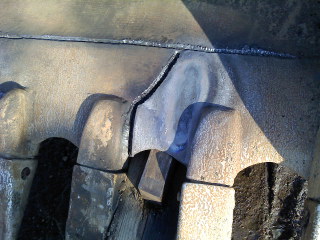
To ensure reliable repairs, technicians must follow strict procedures:
- Proper inspection: Non-destructive testing methods such as ultrasonic testing, magnetic particle inspection, or dye penetrant testing help detect hidden cracks.
- Preheating: Large steel components often require preheating to prevent cracking during welding.
- Controlled cooling: Slow cooling helps minimize residual stress and reduces the risk of brittle fractures.
- Correct filler materials: Selecting compatible filler metals ensures strong welds and prevents metallurgical issues.
- Skilled welders: Repair welding requires experienced professionals trained in both welding techniques and metallurgy.
The role of digital training and simulation in welding repair
As the industrial sector continues its digital transformation, new technologies are emerging to monitor and analyze welding performance with unprecedented precision.
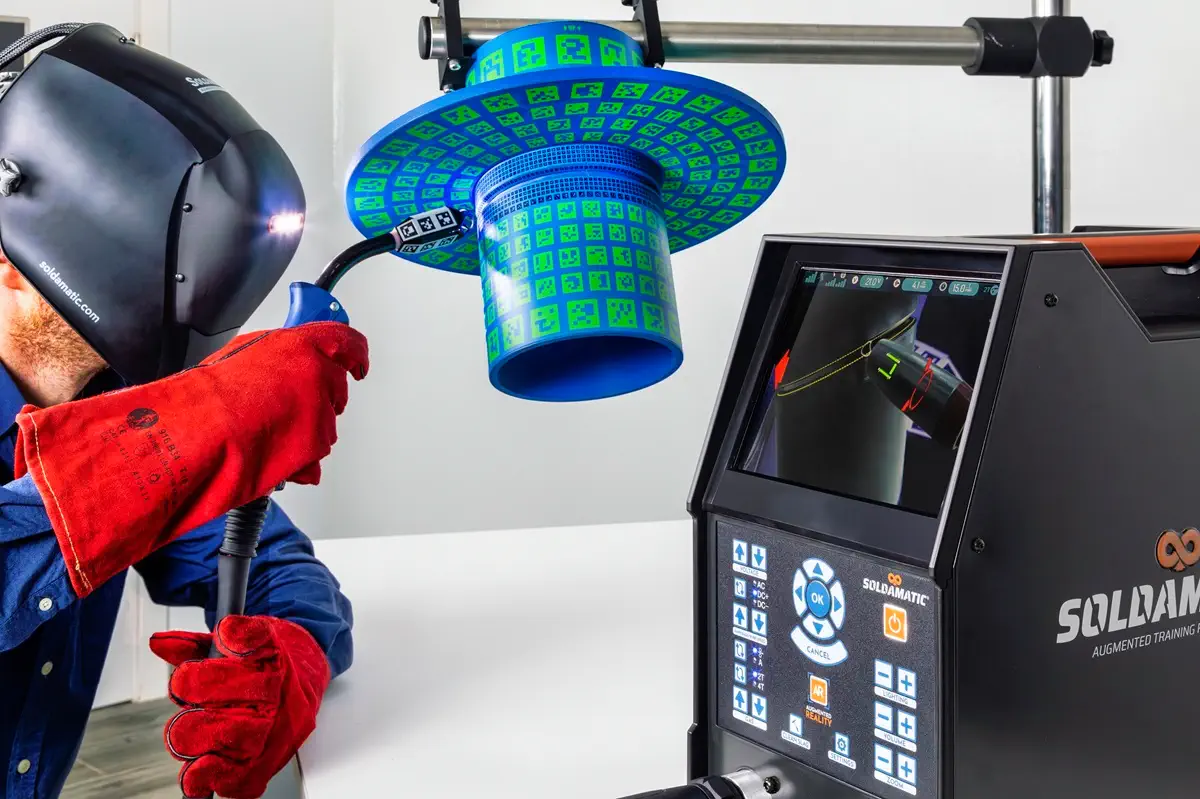
Traditional welding training can be costly and time-consuming due to material consumption, safety risks, and limited instructor availability. This is where Augmented Reality welding simulators are transforming industrial development. Simulation-based training allows welders to:
· Practice repair techniques in a safe and controlled environment.
· Receive real-time performance feedback.
· Improve weld quality before working on real equipment.
· Reduce material waste and training costs.
This approach is especially valuable for teaching complex heavy machinery repair techniques, where mistakes in real equipment could result in expensive damage.
Extending the life of industrial equipment
Companies seeking to modernize their industrial welding training methodology are increasingly adopting advanced simulation solutions such as Seabery Welding PRO.
Seabery Welding Simulator integrates Augmented Reality, real welding tools, and advanced performance analytics to create a highly immersive training environment. The system allows welders to practice different welding processes (including those commonly used in heavy machinery repair) while receiving objective feedback.
Welding training and performance analysis
Beyond training, the platform enables the development of a digital twin of the welder. A digital twin is a virtual representation of a physical process or operator. This digital twin captures critical welding parameters such as torch or electrode angle, travel speed during welding, arc distance or electrode stick-out, heat input and welding stability.
This solution evaluates skill progression and identifies potential issues that could lead to welding defects like porosity, lack of fusion, or incorrect bead geometry. By collecting and analyzing these parameters, Seabery’s solution can create a data-driven profile of each welder’s performance. This approach enables:
1. Objective skills assessment
2. Identification of training needs
3. Performance benchmarking across teams
4. Continuous improvement in industrial welding operations
For companies managing large teams of welders, this level of insight can significantly improve quality control and reduce repair failures. By combining digitalization, automation, and immersive training methodologies, Seabery supports industries to prepare the next generation of skilled welding professionals.
From repair welding to data-driven maintenance
Heavy machinery welding repair remains a cornerstone of modern industrial maintenance strategies. Proper repair techniques allow companies to extend equipment lifespan, reduce operational costs, and maintain productivity.
However, the future of welding repair goes beyond traditional techniques. The integration of digital analysis is transforming how performance is evaluated.
By combining practical welding expertise with data-driven insights, industries can significantly improve repair quality, reduce defects, and ensure safer and more reliable operations in heavy machinery environments.
Would you like to book a free online demo?
If you are interested in experiencing first-hand the power of Seabery Welding PRO, we invite you to complete our form to request a personalized demo – contact us now to explore the possibilities Seabery can offer your company or training center!