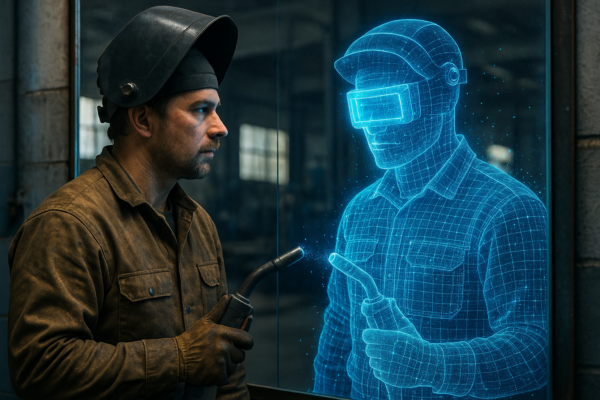


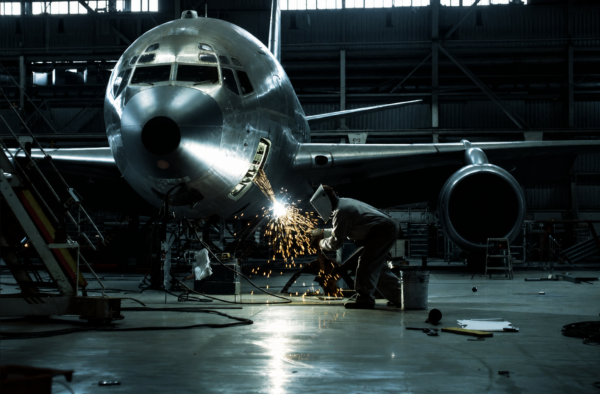
The Welder's Digital Twin

Advanced simulation as a driving force for professional improvement in critical industries

In sectors where performance and precision are crucial – such as medicine, aviation, automotive or welding – simulation has become a highly valuable tool. More and more professionals are turning to it to practice procedures, train complex situations and improve their skills without affecting the real operation. Its usefulness transcends initial training and has become…

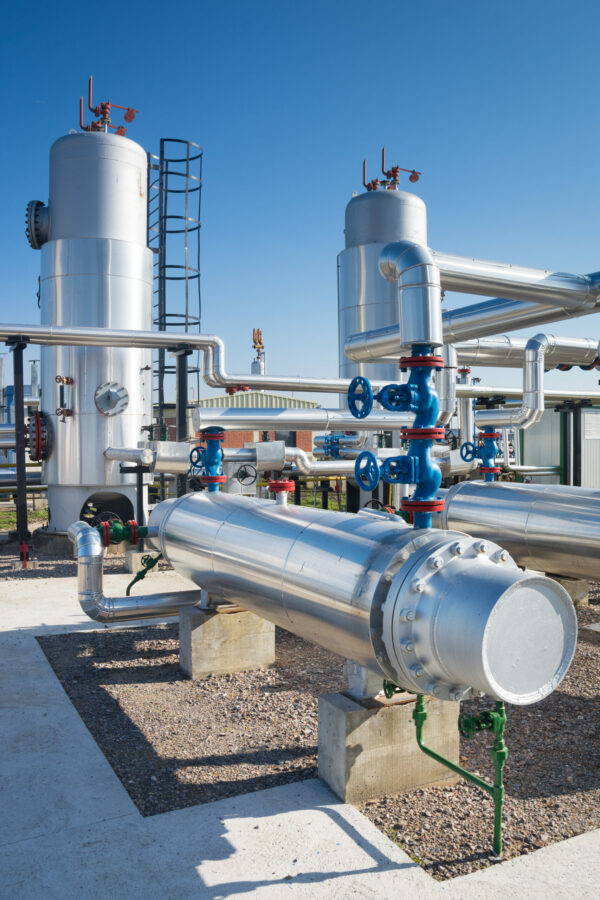
Pipeline Welding

Pipeline Welding Training: Skills & Standards

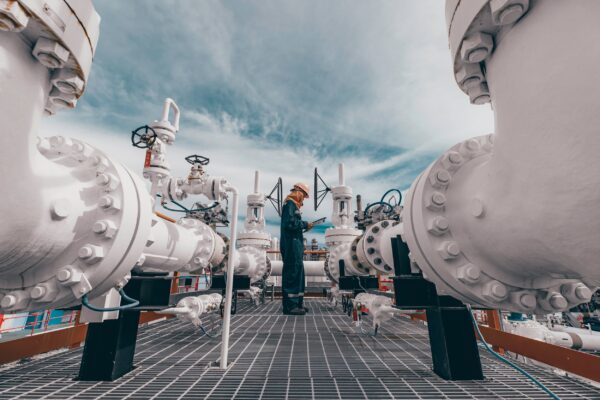
Within the industrial world of fluid and gas transport, the welding of pipelines is a critical and highly specialized discipline. As companies pursue automation, digitalization, and more rigorous methodology, pipeline welding training must evolve accordingly. In this article we will explore the core skills required for pipeline welding, the standards and certification landscape that underpin…

Automotive Welding

Automotive Welding Training: Trends & Best Practices

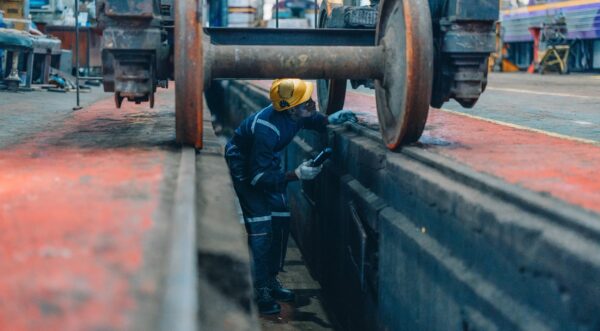
In the era of Industry 4.0, the automotive sector is undergoing rapid transformation through digitalization, automation, and advanced materials. Welding remains a core process in vehicle manufacturing and repair; whether in body-in-white, chassis, battery enclosures or structural assemblies. To keep pace, training in automotive welding must evolve: combining traditional hands-on methods with augmented reality (AR),…

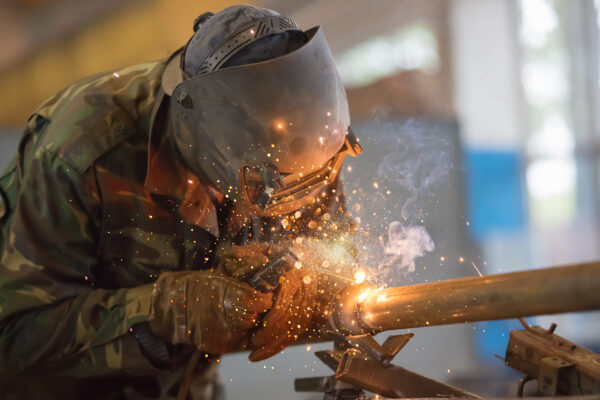
Welding in Defence

Real Applications of Welding in Defence and Armament Materials

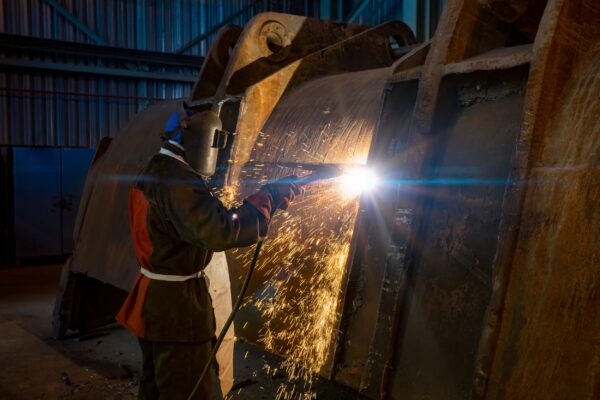
Welding: where defence begins In the complex ecosystem of the defense industry, welding represents an invisible but absolutely essential discipline. From large naval platforms to high-tech artillery systems, welded metal joints ensure structural integrity, operational safety and durability in extreme conditions. In this article we explore the real-world applications of welding in military equipment, and…

Industrial welding best practices

Best Practices to Improve Safety and Reduce Environmental Impact in Industrial Welding

Traditional welding methods often come with significant safety risks and environmental concerns. To address these challenges, the industry is increasingly turning to innovative technologies and sustainable practices. This article explores best practices that leverage automation and digitalization to enhance safety and minimize environmental impact in industrial welding. Implementing effective waste management strategies Welding operations generate…

industrial welder training

Reducing Costs and Increasing Efficiency in Industrial Welder Training

Welding is a cornerstone of industries ranging from construction and manufacturing to shipbuilding and aerospace. However, traditional training methods for welders can be expensive, time-consuming, and resource-intensive. The introduction of innovative technologies is revolutionizing the way industries approach welder training. These solutions significantly reduce costs and increase efficiency, and we are going to talk about…

Augmented Lab

Increasing Knowledge Retention in Welder Training with Simulators

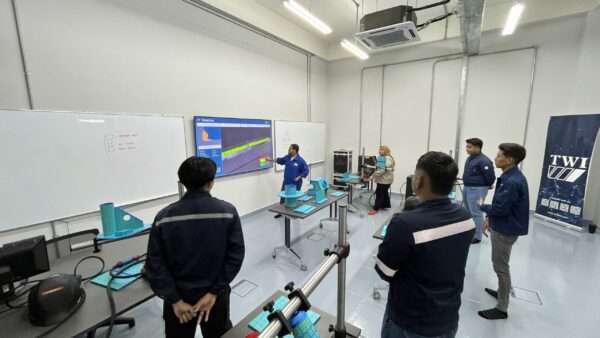
As welding techniques become more sophisticated, training methods need to keep pace. One innovative approach that has gained traction in recent years is the use of welding simulators. These devices are not only improving training efficiency but also significantly enhancing knowledge retention among welding trainees. The challenges of traditional welding training Traditional welding training often…

Augmented Reality Industry 4.0

Transforming the Industrial Sector: The Importance of Welding Training through Augmented Reality Simulation

In today’s dynamic industrial world, welding plays a key role in the fabrication and maintenance of metal structures. However, the complexity of this discipline demands advanced and efficient training to ensure excellence in work quality. In this context, the application of augmented reality in welding training emerges as a revolutionary catalyst, providing benefits that go…