









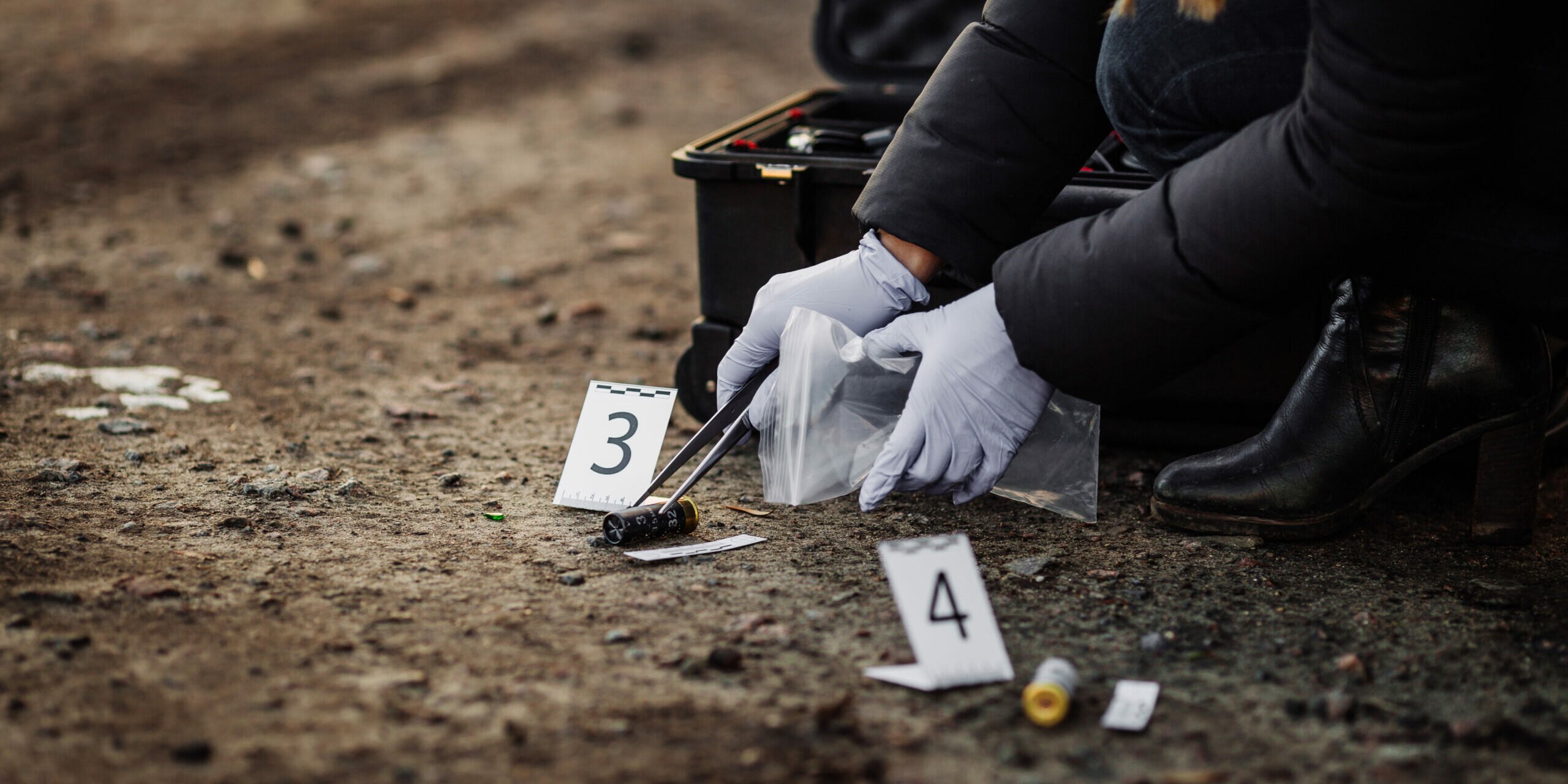
Crime scene investigation (CSI) is one of the most critical pillars of modern law enforcement and forensic science. The accuracy of evidence collection, documentation, and preservation directly affects the outcome of criminal investigations and judicial proceedings. As crimes become more complex and criminals more sophisticated, the demands placed on investigators continue to grow.
Traditional crime scene investigation training, however, often struggles to provide enough realistic practice, varied scenarios, and consistent assessment. This gap has led training institutions worldwide to explore more effective, scalable, and immersive approaches to CSI education—ones that combine procedural rigor with hands-on experience.
What Is Crime Scene Investigation Training?
Crime scene investigation training prepares professionals to properly identify, secure, document, analyze, and preserve physical evidence at a crime scene. It combines forensic science principles with standardized operational procedures to ensure evidence integrity from the first response to laboratory analysis.
A comprehensive crime scene investigation training program typically includes:
- Understanding legal and procedural frameworks
- Mastery of scene security and contamination prevention
- Visual inspection and documentation techniques
- Evidence recognition, collection, and packaging
- Analytical thinking and decision-making under pressure
High-quality training is essential not only for police officers, but also for forensic technicians, criminologists, and first responders involved in evidence handling.
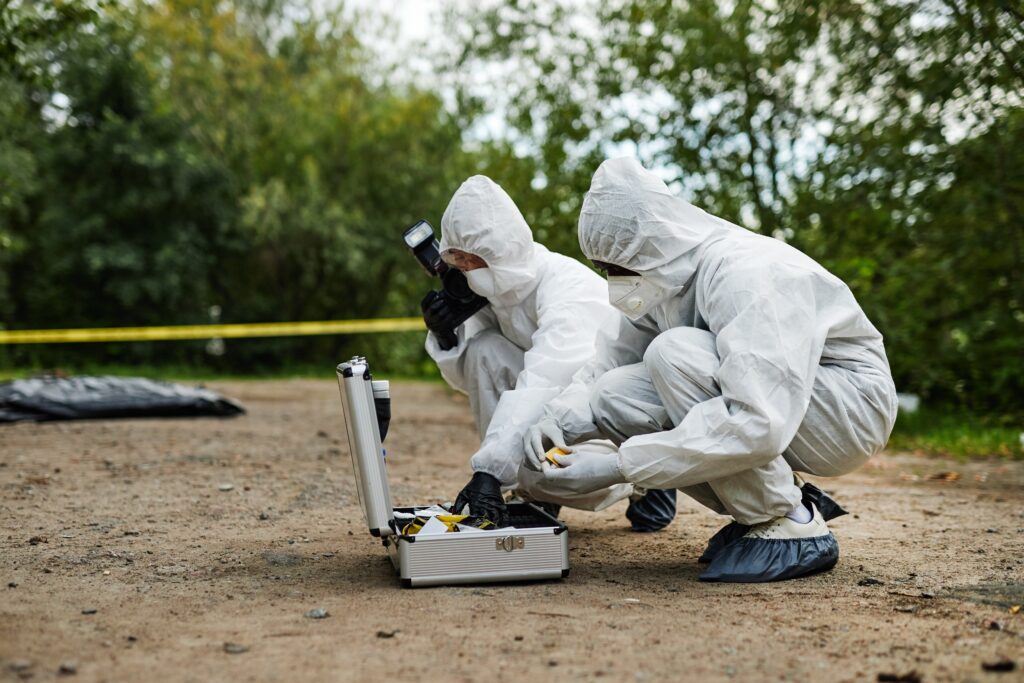
What Is Crime Scene Investigation Training?
Crime scene investigation training prepares professionals to properly identify, secure, document, analyze, and preserve physical evidence at a crime scene. It combines forensic science principles with standardized operational procedures to ensure evidence integrity from the first response to laboratory analysis.
A comprehensive crime scene investigation training program typically includes:
- Understanding legal and procedural frameworks
- Mastery of scene security and contamination prevention
- Visual inspection and documentation techniques
- Evidence recognition, collection, and packaging
- Analytical thinking and decision-making under pressure
High-quality training is essential not only for police officers, but also for forensic technicians, criminologists, and first responders involved in evidence handling.
Step-by-Step Crime Scene Investigation Training Process
Effective CSI training follows a structured methodology that mirrors real-world investigative workflows. Below is a step-by-step breakdown commonly used in professional training programs.
1. Isolation and Securing the Crime Scene
The first step is to isolate and secure the area to prevent contamination or loss of evidence. Trainees learn how to:
- Select appropriate uniforms and protective equipment
- Establish perimeters and access control
- Identify potential risks to evidence integrity
This phase emphasizes discipline, situational awareness, and procedural accuracy.

2. Initial Observation and Documentation
Before touching anything, investigators must observe the scene carefully. Training focuses on:
- Taking panoramic photographs
- Assessing the scene layout
- Determining the most suitable search and tracing strategy
This step is crucial for forming initial hypotheses while preserving objectivity.
3. Securing Pathways and Hallways
Movement within the scene must be controlled. CSI training teaches how to:
- Create safe pathways for investigators
- Avoid cross-contamination
- Maintain a logical and reproducible movement flow
This phase reinforces teamwork and coordination.

4. Systematic Search for Clues
Once the scene is secured, investigators begin the detailed search for evidence. Training includes:
- Identifying visible and non-visible clues
- Marking evidence correctly
- Taking detailed photographs
- Collecting and packaging evidence according to protocol
Attention to detail and consistency are key learning outcomes here.
5. Final Documentation and Leaving the Scene
Before leaving the scene, investigators must ensure all procedures are properly completed. Trainees practice:
- Taking final panoramic departure photos
- Documenting crime scene tape and seals
- Verifying evidence logs
This final step ensures traceability and accountability throughout the investigation.
Traditional vs. Digital CSI Training Approaches
The evolution of crime scene investigation training has highlighted the limitations of purely traditional methods.
| Aspect | Traditional CSI Training | Digital & Immersive CSI Training |
| Scenario variety | Limited | Multiple realistic scenarios |
| Cost efficiency | High operational costs | Up to 90% cost savings |
| Scalability | Restricted by space and time | Highly scalable |
| Assessment | Manual and subjective | Real-time monitoring and analytics |
| Engagement | Often low for digital natives | High immersion and interaction |
Digital approaches allow institutions to train more investigators in less time, without compromising quality.
Why High-Quality CSI Training Matters
Errors made at a crime scene cannot be undone. Inadequate training can result in:
- Contaminated or inadmissible evidence
- Incorrect reconstructions
- Compromised legal cases
International bodies such as the FBI and INTERPOL emphasize standardized procedures and continuous training as essential to maintaining investigative integrity.
How Seabery Is Transforming Crime Scene Investigation Training
Seabery has applied its expertise in immersive training technologies to the field of forensic education through Virtual CSI, a digital solution designed to modernize crime scene investigation training.
Virtual CSI digitizes the technical visual inspection process at crime scenes using virtual reality technology. It enables trainees to practice realistic investigations in safe, controlled environments while following standardized procedures. Key benefits include:
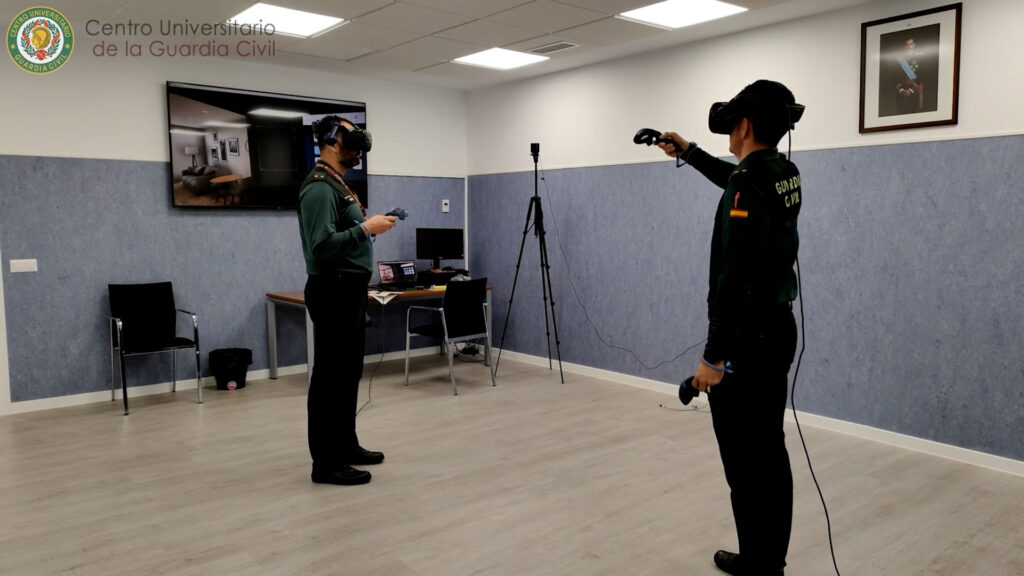

- Operational realism developed in collaboration with the Spanish Civil Guard University Centre and Criminology Service
- Flexible and collaborative training, allowing multi-user sessions with different roles, even remotely
- Real-time assessment, supported by an integrated learning management system for instructors and students
- Scalability and sustainability, reducing training costs, time, and environmental impact
- Self-training and self-assessment, enabling continuous skill development
- Virtual CSI allows institutions to increase the number of trained officers by up to 500% over the same period, while maintaining high qualification standards.
Building the Future of CSI Training: A Smarter Way to Train Investigators
Crime scene investigation training must evolve alongside the challenges faced by modern law enforcement. Step-by-step, procedure-driven education remains essential—but how that training is delivered makes all the difference.
By combining structured methodologies with immersive digital environments, institutions can ensure investigators are better prepared, more confident, and more consistent in real-world scenarios. Solutions like Seabery’s Virtual CSI represent a forward-looking approach that aligns effectiveness, scalability, and realism—helping shape the next generation of forensic professionals.