Aluminum Welding: Challenges and Tips
- Home /
- Technical Welding /
- Aluminum Welding: Challenges and Tips
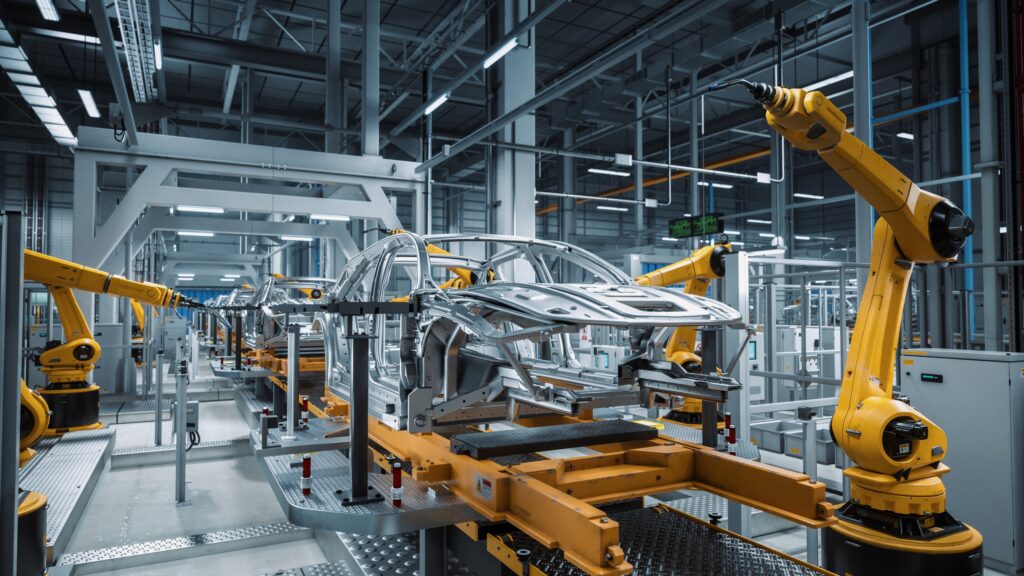
In the drive toward industrial digitalization and automation, welding remains a field where hands-on skill, material science, and technology converge. Among different metals, aluminum presents a unique set of difficulties that require special attention. In this article we explore the main challenges of aluminum welding in industrial settings and practical tips to overcome them.
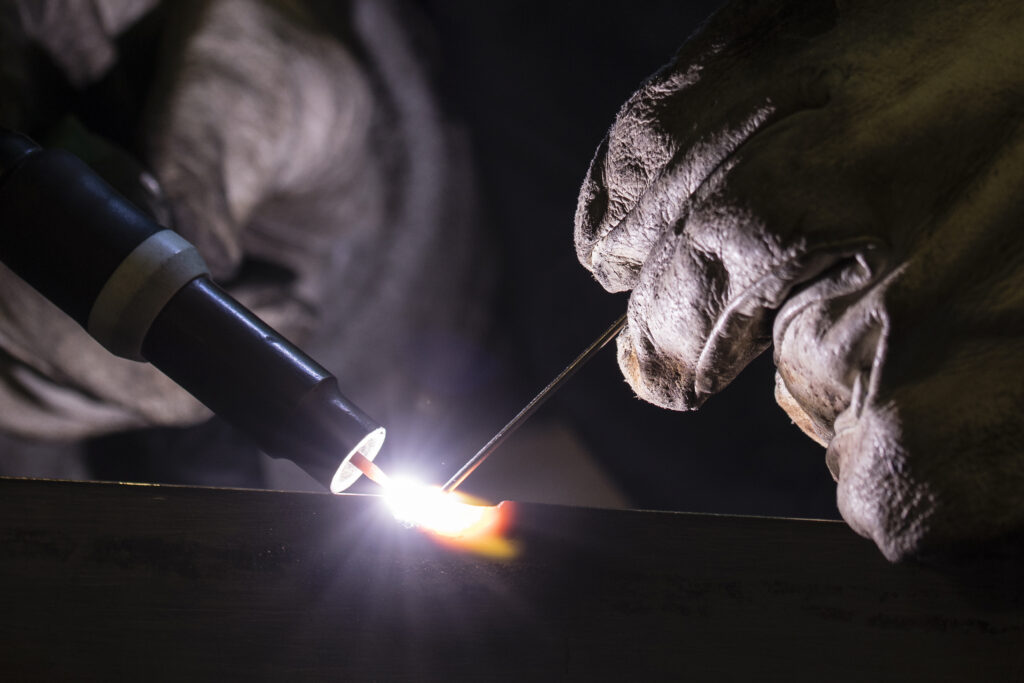
Welding aluminum is substantially more demanding than welding steel or other ferrous alloys. Some of the core challenges include:
Aluminum forms a tenacious oxide (Al₂O₃) layer almost immediately upon exposure to air. This oxide has a much higher melting point than the base metal, so if not removed or disrupted, it interferes with bonding and leads to poor fusion, porosity, or inclusion defects.
Also, aluminum is sensitive to contamination (for example: oil, grease, moisture, varnish). Even trace contaminants can produce blowholes, spatter, or weak welds.
Aluminum has a much higher thermal conductivity than steel, meaning heat is rapidly wicked away from the weld zone. At the same time, its melting point is relatively low. The combination results in a narrow heat input window: if you use too much heat, you risk burn-through or warping; too little, and you have incomplete fusion.
Because aluminum is relatively soft and ductile, it deforms easily under heat. Warpage, distortion, residual stresses, and shrinkage are common issues, particularly for thin sections or large parts. This necessitates careful fixturing, clamping, and heat management.
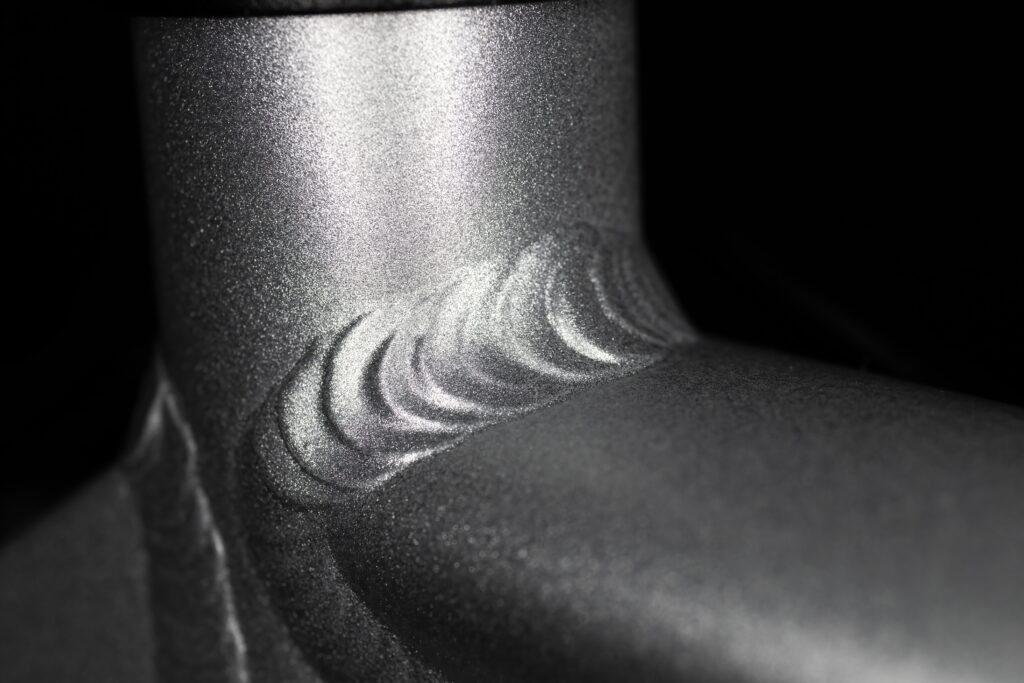
Hydrogen is the main culprit of porosity in aluminum welds. Since aluminum absorbs hydrogen more readily and releases it less easily, entrapped gas leads to porosity defects. Moisture in shielding gases or on surfaces exacerbates the issue.
A frequent problem is poor wetting, such as the liquid weld metal not spreading properly; or lack of fusion to the base metal or previous passes is a frequent problem, especially when travel speeds are high, or the torch manipulation is improper. In multi-pass welds, ensuring good fusion between passes is critical.
Aluminum alloys may be more susceptible to crack formation (hot cracks, solidification cracks) especially when alloying elements or impurities are present. Maintaining correct alloy selection, filler compatibility, and process control is crucial.
Some welding processes require more stringent control over current, waveform, and gas mixtures. Equipment stability is more critical, and parameter windows are tighter.
Aluminum welding challenges |
Contamination |
High thermal conductivity |
Low melting point margin |
Distorsion |
Porosity |
Incomplete fusion |
Cracking |
Process compatibility |
Given the above challenges, here are proven tips and methodology pointers to improve the outcome:
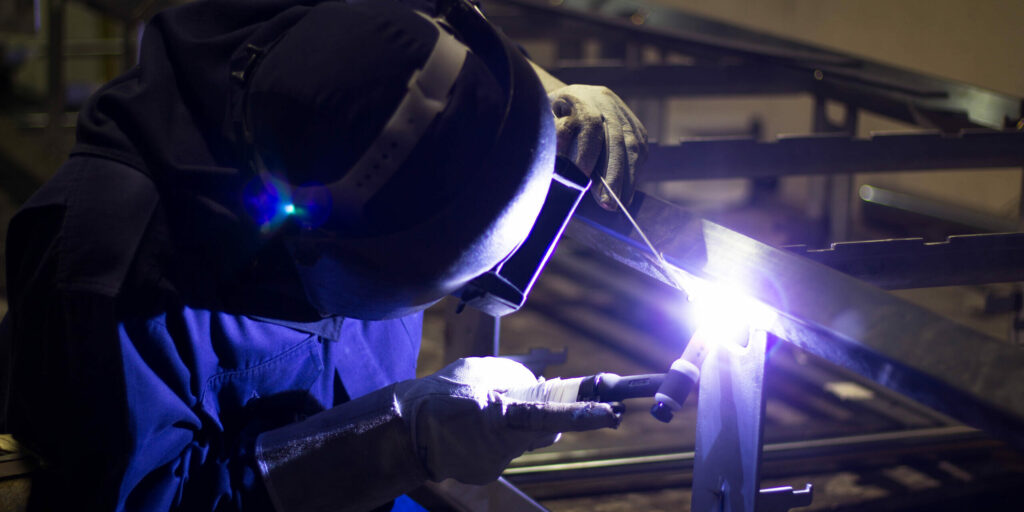
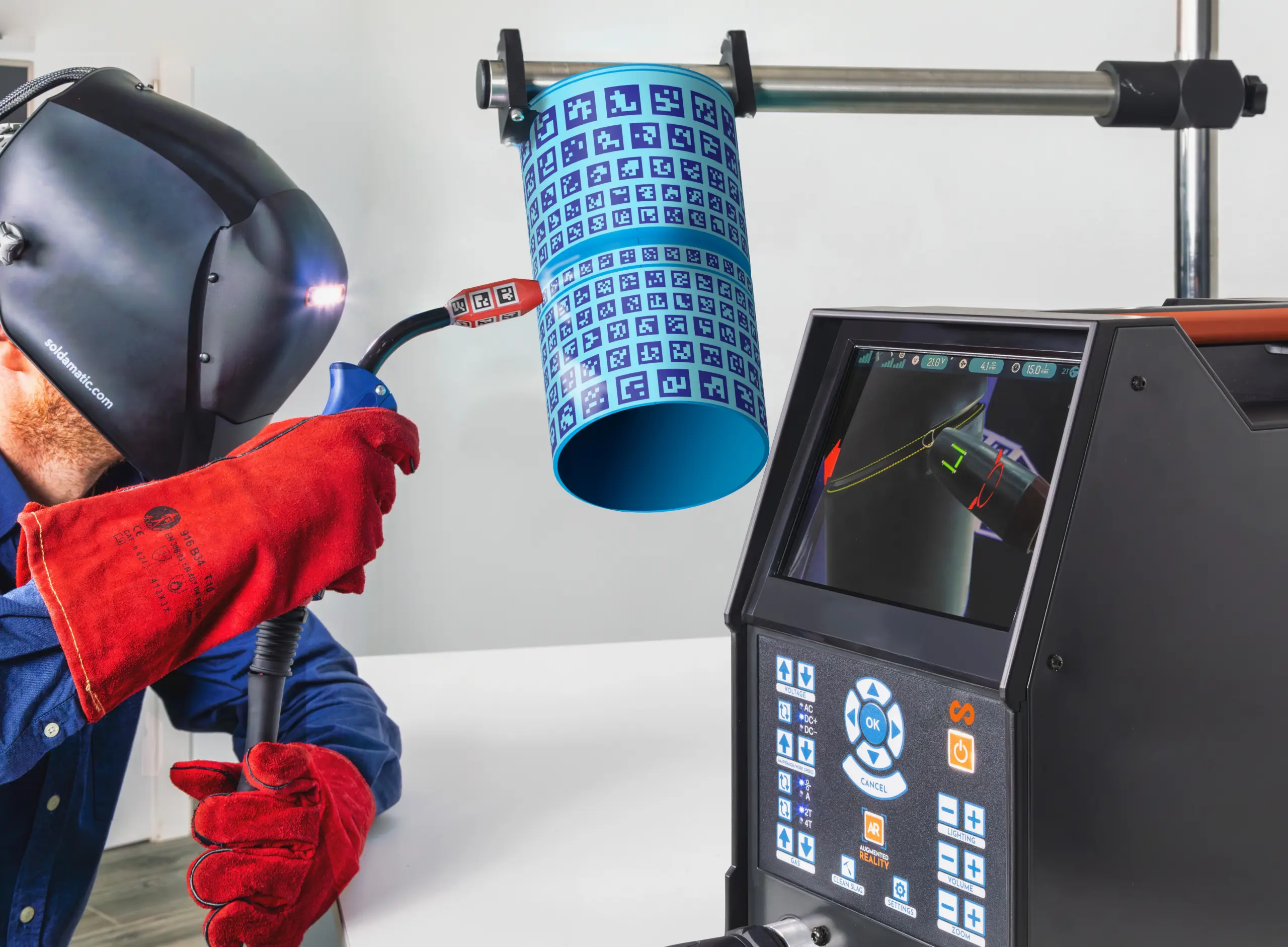
As industries push toward digitalization and automation, modern training methodologies are transforming how welders develop their skills. Among these, augmented reality (AR) welding simulators stand out as a bridge between theory and applied skill.
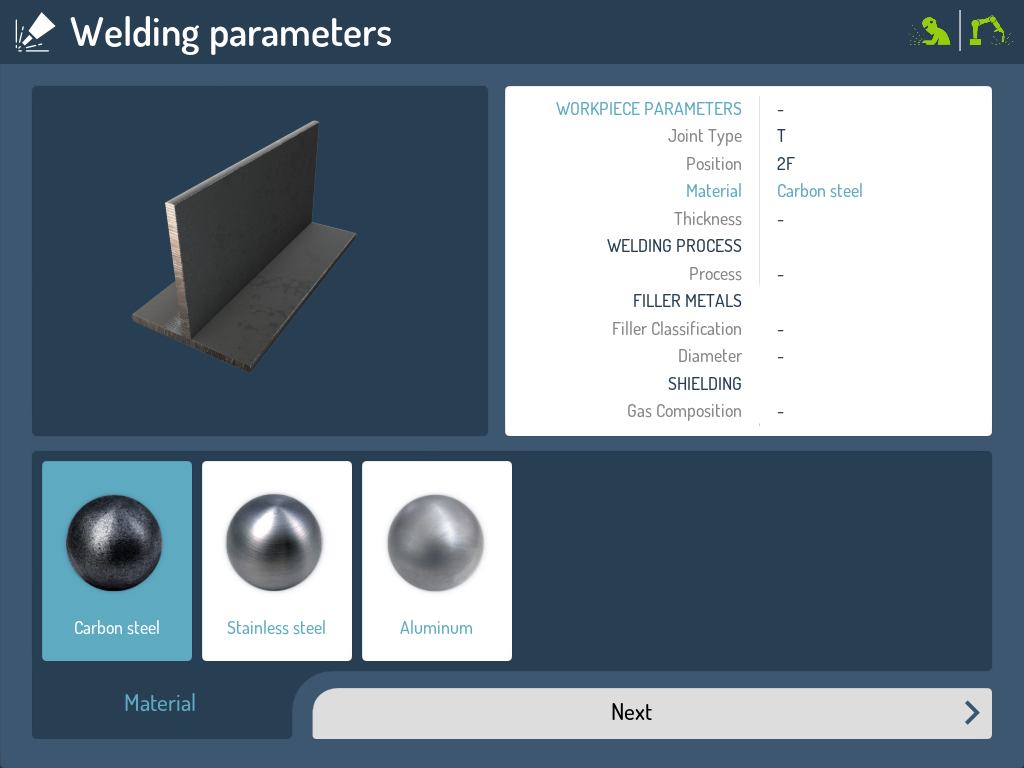
Seabery Welding Simulator provides real-time feedback on parameters such as arc length, torch angle, travel speed, weld bead geometry, etc., allowing users to correct techniques before applying them on real material. It can be deployed in workshop labs or distributed training environments, enabling mass instruction without requiring large amounts of physical welding workpieces and gases.
This welding solution also supports multiple materials, including aluminum, enabling users to practice aluminum-specific challenges without spending real consumables.
Multi-sensor interfaces and cameras are being used to improve accuracy and fidelity in simulated arc welding instruction, improving the learning curve. The HyperReal SIMTM engine strives to mimic real weld pool behavior, torch feedback, and defect formation. This realism helps trainees transfer virtual skills to real-world aluminum welds more effectively.
For industrial settings preparing for automation and robotics, AR-based simulation is part of workforce upskilling and bridging the gap between manual skill and automated welding systems. By embracing digitalization, Seabery’s solution helps industrial training centers and companies stay ahead as automation becomes more pervasive in welding systems.
Thus, an effective methodology in modern welding training is to combine traditional hands-on practice with augmented, digital training as a reinforcement and preparatory tool.
Seabery’s solution and its value for Aluminum Welding |
Material coverage |
Cost reduction |
Scalabe, effective, flexible training |
Focus on realistic experience |
Alignment with industry trends |
In today’s industrial environment, supplementing manual training with augmented reality is becoming a best practice. It aligns with the principles of automation and digitalization, providing controlled environments, feedback loops, and efficient skill buildup.
Seabery’s solution exemplifies how a state-of-the-art AR welding simulator can support aluminum welding training, help organizations scale their training programs more efficiently, and contribute to building a more capable, digital-ready workforce.