Shipyard Welding Training: Challenges & Methods
- Home /
- Industrial services /
- Shipyard Welding Training: Challenges & Methods
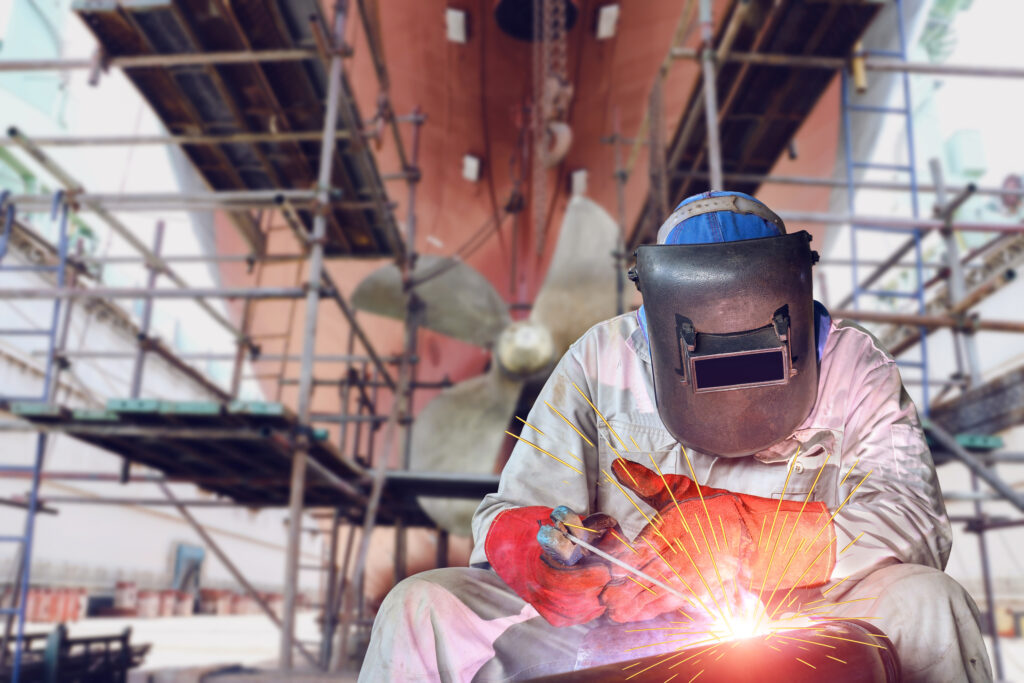
Shipyards are among the most demanding industrial environments for welding professionals. From massive steel structures and confined spaces to strict safety regulations and international quality standards, welding in shipbuilding requires a unique combination of technical skill, procedural discipline, and continuous training.
As the maritime and offshore industries advance toward higher levels of automation and digitalization, traditional welding training methods are being challenged to keep pace with new materials, stricter certifications, and productivity pressures. This article explores the main challenges faced in shipyard welding training and analyzes the most effective methodologies currently used in the industrial sector to prepare welders for real-world shipbuilding conditions.
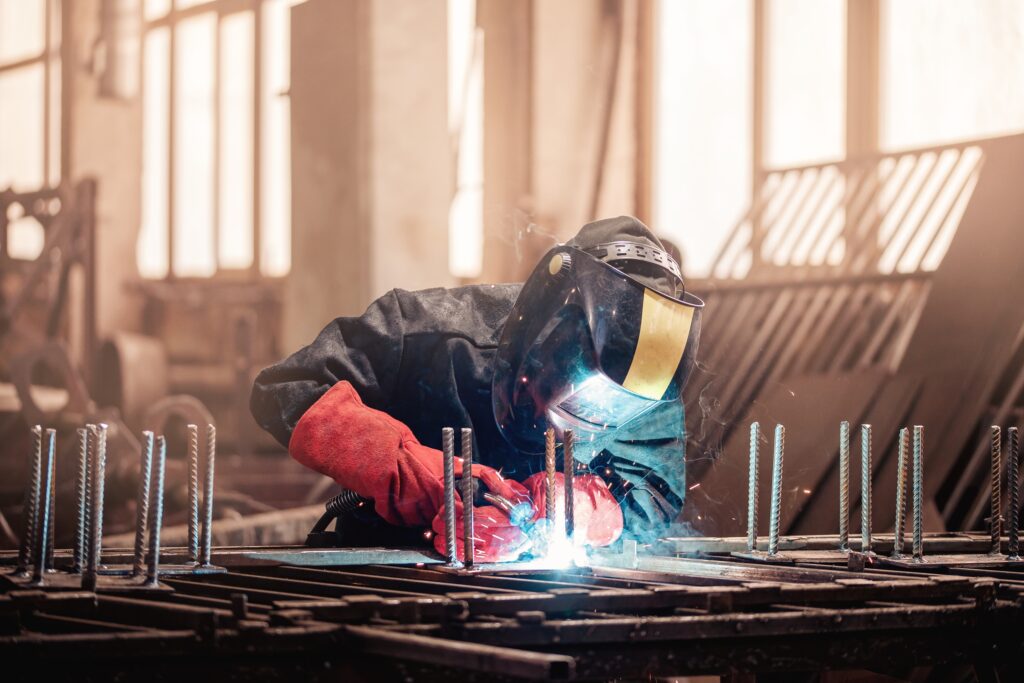
Shipyard welding differs significantly from workshop or light industrial welding. Welders operate in dynamic, often harsh environments where errors can have severe structural, financial, and safety consequences. Key characteristics of shipyard welding include:
These factors make training not only technically demanding but also logistically complex.
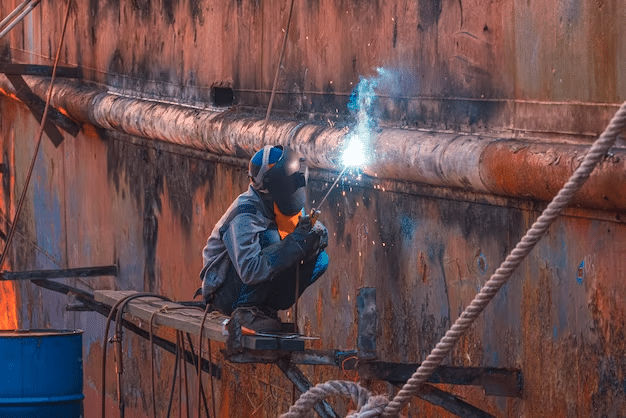
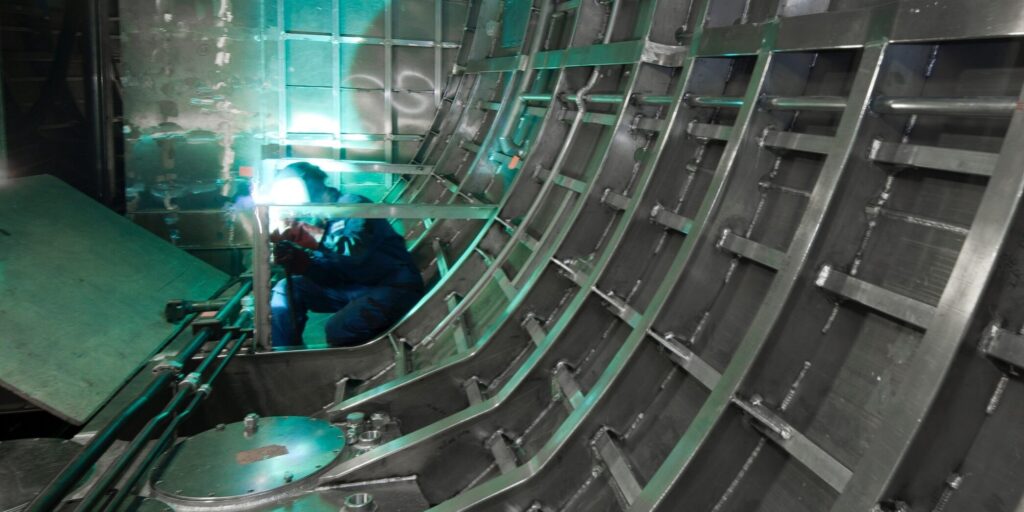
Shipyards present numerous hazards: confined spaces, working at height, exposure to fumes, fire risks, and proximity to other industrial activities. Traditional training often limits hands-on practice due to safety concerns, reducing learning opportunities for inexperienced welders.
According to the Occupational Safety and Health Administration (OSHA), welding-related incidents remain a significant source of industrial accidents in heavy manufacturing environments.
Training welders using real materials in shipyards involves:
Additionally, production stoppages for training purposes directly affect project timelines, making it difficult to balance learning with operational efficiency.
Shipbuilding projects often require compliance with strict international standards such as those from classification societies and welding organizations. Ensuring that all welders consistently meet these requirements is a challenge, especially in large shipyards with rotating or subcontracted workforces.
Organizations such as the American Welding Society and ISO define qualification procedures that demand repeatability, traceability, and documented performance.
The shipbuilding industry faces an aging workforce and difficulty attracting younger professionals. New welders often arrive with limited exposure to real shipyard conditions, increasing the learning curve and error rates during early production stages.
Classroom-based theoretical training: This method focuses on welding theory, safety regulations, metallurgy, and standards. While essential, it lacks practical immersion and does not adequately prepare welders for the physical constraints of shipyard environments.
Workshop practical training: Industrial companies use welding simulators to train new welders from scratch or to upskill experienced operators when introducing new welding processes, materials, or positions. Simulation is particularly effective for complex welds, out-of-position work, or high-precision applications.
On-the-Job Training (OJT): OJT places trainees directly in production environments under supervision. Although effective for contextual learning, it carries higher risks, increases scrap rates, and can negatively impact productivity.
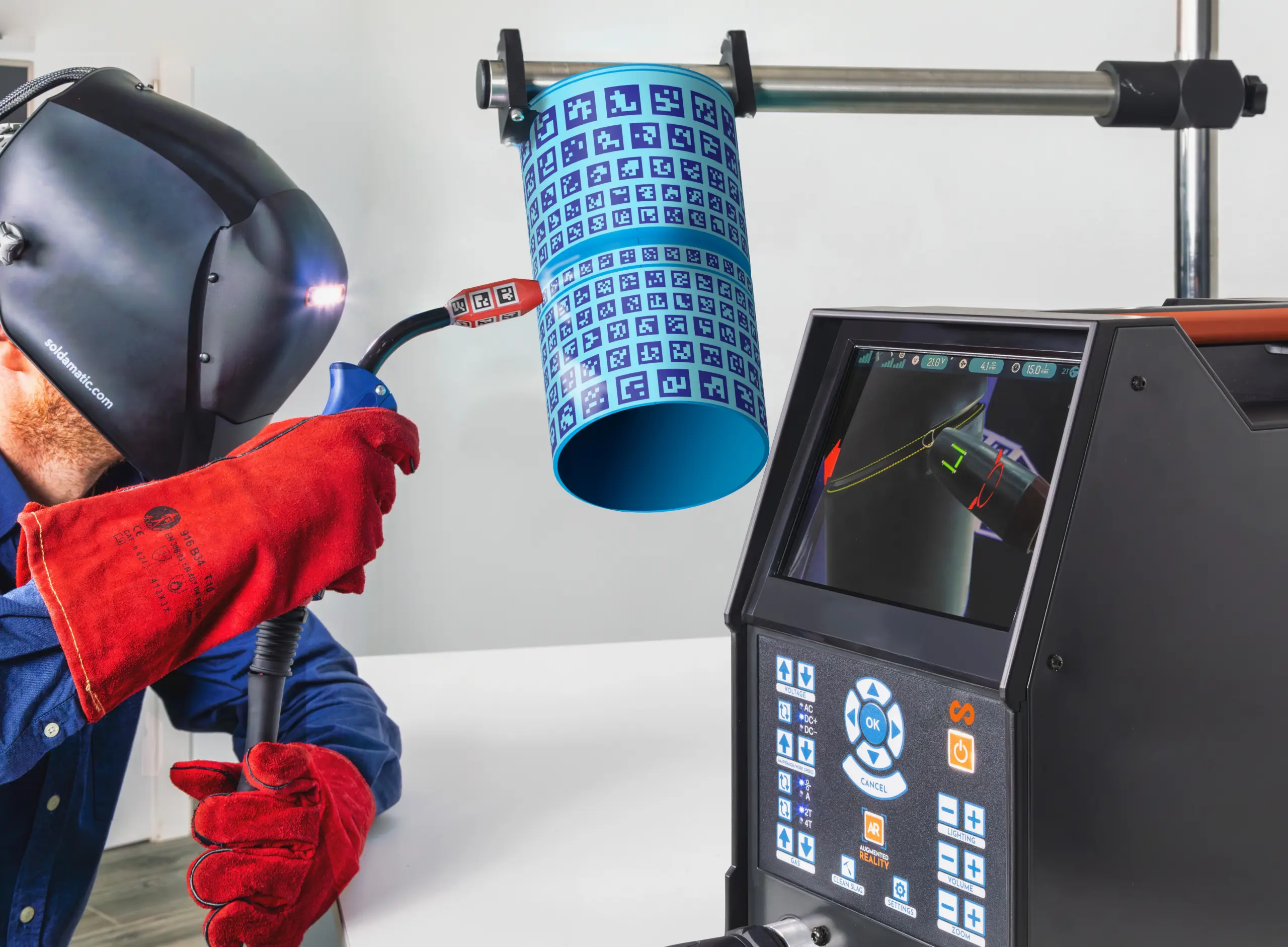
Augmented Reality (AR) welding simulators have emerged as a powerful methodology for industrial welding training. These systems allow trainees to practice realistic welding scenarios without consuming materials or exposing them to hazards.
Modern training methodologies increasingly rely on data. Digital platforms record welding performance metrics, enabling instructors to identify skill gaps, track progress, and standardize training outcomes across large workforces. This approach aligns with broader industrial digitalization strategies and supports continuous improvement programs in shipyards.
The most effective shipyard training programs combine:
This blended methodology reduces risk, accelerates learning curves, and ensures welders are production-ready before entering critical welding phases.
Seabery‘s AR welding solutions are specifically designed to address the challenges of industrial environments such as shipyards. By combining realistic simulation, objective performance metrics, and scalable training programs, Seabery enables shipbuilding companies and training centers to modernize their welding methodology.
Key advantages for shipyard applications include:
· Safe training for confined spaces and complex welding positions.
· Reduced material consumption and operational costs.
· Objective assessment aligned with industrial standards.
· Faster onboarding of new welders.
· Support for digital transformation and automation strategies.
Seabery Welding Simulator fits seamlessly into both training centers and industrial shipyard settings, supporting upskilling, reskilling, and certification preparation.
| Advanced Welding Multijoints (AWMs) for Shipbuilding | |
| AWM006 | Shipbuilding Open Root |
| AWM007 | Shipbuilding Backing Strip |
Shipyard welding training is no longer just a technical necessity: it is a strategic investment. As shipbuilding faces increasing pressure for quality, safety, and efficiency, advanced training methodologies based on augmented reality, digitalization, and data-driven assessment are becoming essential.