Why Augmented or Virtual Reality Training is the Future of Education

  • Home /
  • Technology /
  • Why Augmented or Virtual Reality Training is the Future of Education

As we step further into the digital era, the educational sector is undergoing a remarkable transformation, with augmented reality (AR) and virtual reality (VR) technologies leading the way. From healthcare to manufacturing, these immersive technologies are redefining training and skill acquisition.

In this article, we will explore why AR and VR training is rapidly emerging as the future of education and how it is set to enhance and reshape the way we learn.

Enhanced learning experiences through immersive technologies

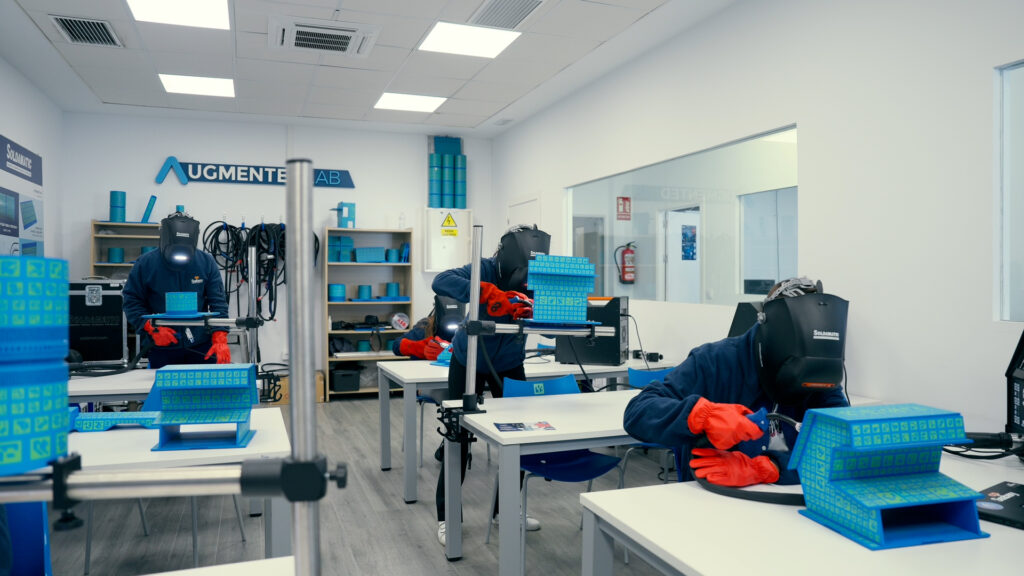
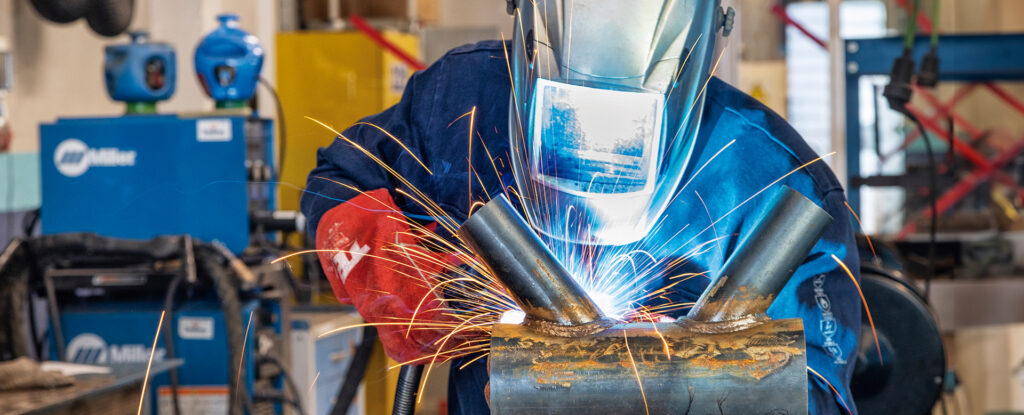
One of the most compelling advantages of AR and VR is their ability to create immersive environments that engage multiple senses, providing students with experiential learning opportunities that traditional methods cannot offer. These experiences are particularly valuable in technical fields, where mastering physical tasks and equipment can be challenging. In technical fields like welding, tools like welding simulators are at the forefront of this revolution, using AR to create a realistic, hands-on learning experience without the associated risks and high costs.

Through such simulators, learners can engage in realistic practice sessions, manipulating virtual tools and performing welding techniques, gaining confidence and precision in a controlled environment.

This hands-on approach, coupled with instant feedback, enables students to learn from mistakes and develop muscle memory before working on actual machinery.

Improved safety in high-risk training environments

Certain trades and professions carry inherent risks, making safety a priority in training environments. Welding, for example, involves dealing with high temperatures, intense light, and hazardous materials. Traditional training can be risky for beginners, who may lack the experience needed to handle equipment safely.

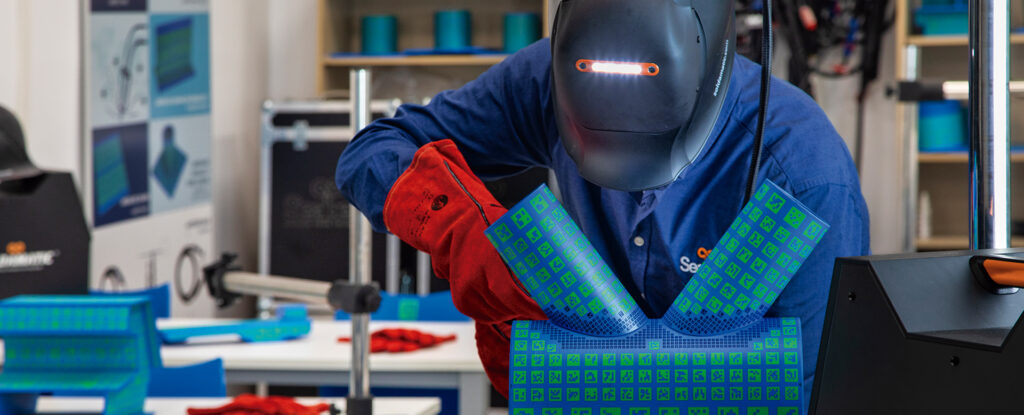
AR and VR-based simulators address these safety concerns by allowing learners to practice in risk-free virtual environments. Through an AR welding simulator, students can learn the correct angles, speeds, and techniques without exposure to dangerous conditions. By reducing the likelihood of accidents, these simulators not only protect students but also reduce liability for training institutions.

Cost-Effective training solutions

In addition to safety concerns, cost is another factor that often limits hands-on training in fields like welding. Traditional training requires purchasing and maintaining materials, equipment, and safety gear, which can be expensive and hard to sustain over time. Mistakes made during training also lead to waste of consumables and wear on equipment, further driving up costs.

With AR and VR simulators, institutions can offer a high-quality, hands-on learning experience with minimal ongoing expenses. Simulators allow students to practice repeatedly without consuming materials or risking equipment damage.

This is particularly relevant in sectors like welding, where reducing material waste and equipment downtime is a major benefit. In the long term, AR and VR training solutions offer a more sustainable, cost-effective approach to skill development.

34

34%

more certified welders than traditional methodology

56

56%

decrease of real time in learning

green-technology

GREEN
TECHNOLOGY

68

68%

decrease of laboratory costs

accidents

84%

less accidents

Consistent, personalized feedback for continuous improvement

Feedback is essential in skill-building. In traditional settings, learners often rely on instructors’ observations, which may vary based on availability, observation angle, and individual experience. AR and VR training platforms, however, integrate real-time feedback directly into the learning experience.

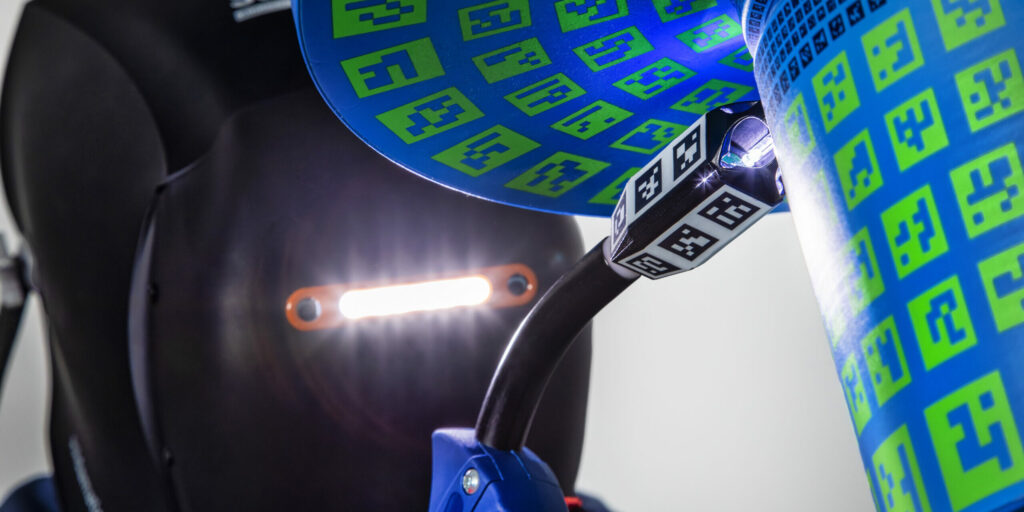
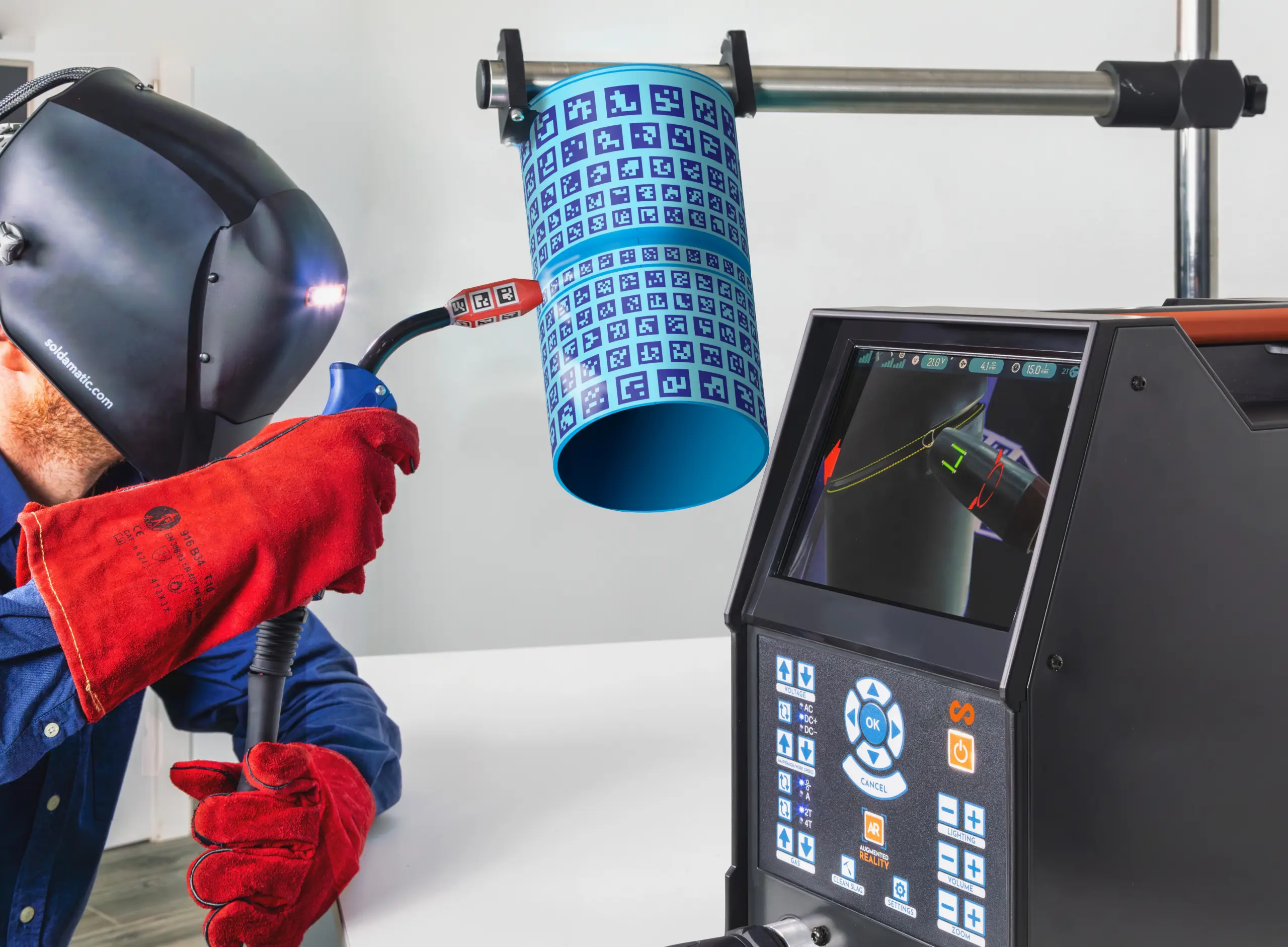
For example, an AR-based welding simulator can track the student’s hand movements, angle, speed, and distance to the work surface, providing instant corrective feedback. The software may alert a user to adjust their approach, avoid common mistakes, or improve efficiency. This level of guidance enables students to refine their skills independently and reinforces learning through repetition. Additionally, instructors can review session data to offer more targeted advice, enhancing the overall learning experience.
Greater accessibility and flexibility in learning

Traditional training often requires students to travel to specific locations with specialized equipment. This limits access, particularly for those in remote areas or with limited resources.

With AR and VR technologies, institutions can make training available to a broader audience, offering students the flexibility to learn from anywhere.

Cloud-based systems, for example, allow students to access simulations on a compatible device, reducing the need for extensive infrastructure.

Furthermore, AR and VR training modules can be scaled and updated easily, ensuring that institutions provide the most current, industry-relevant education to students, regardless of their location.

Preparing students for a technology-driven future

As industries increasingly integrate digital tools and automation, the demand for professional experts who are comfortable with advanced technologies is on the rise. Incorporating AR and VR training into educational curricula helps students develop digital literacy and adaptability, essential skills in the modern workforce.

Welding, like many other fields, is experiencing an infusion of technology, with AR-driven helmets, computer-aided equipment, and precision software becoming industry standards. By learning through AR and VR simulations, students not only gain technical skills but also build comfort with digital tools. This familiarity prepares them to excel in future workplaces, where technology plays a central role.

Soldamatic Augmented Training for Welding

Do you know thatSeabery offers an AR-based solution that blends virtual and real elements? As the industrial welding field advances, Seabery continuously enhances its training solutions. The welding solution also called Soldamatic enables realistic welding practices that mimic real-world procedures.

This welding simulator offers tailored training exercises designed to address the needs of diverse learners, thanks to Augmented Reality. Additionally, with the e-learning platform, instructors can remotely monitor student progress, analyze performance, and provide tailored feedback.

The Future of Education is here

AR and VR are transforming the educational landscape, especially in fields that demand hands-on, technical skills. Welding simulators that use AR provide invaluable learning experiences, delivering safety, cost savings, and skill development advantages that traditional methods simply cannot match.

As these technologies continue to evolve, they will play a crucial role in shaping the education of tomorrow, making training more effective, accessible, and aligned with industry needs. Embracing Soldamatic training today is not just an investment in new technology; it is an investment in a skilled, prepared, and adaptable future workforce.

Would you like to book a free online demo?

The Augmented Reality Seabery Robotics solution that bridges welding training and robotic automation. Complete the form to receive more information and explore how it fits your educational or technical program.

Request a product demo

Scroll to Top