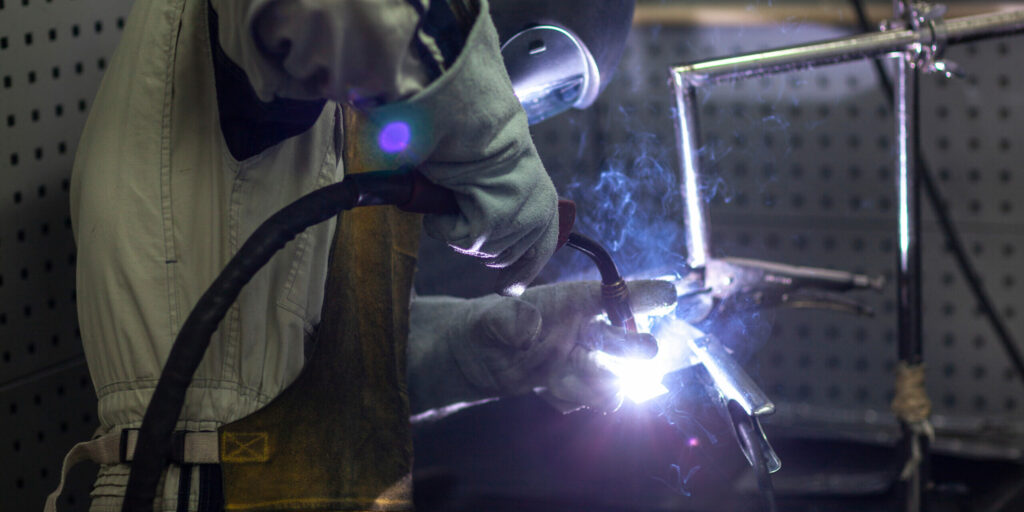
Welding is an activity of vital importance for today’s world. From cars to trains to ships and even buildings, a welding error can lead to very serious and potentially fatal accidents. Welding is serious business, which is why welders are required worldwide to be certified before doing any welding work.
If you aspire to become a certified welder, obtaining the necessary certifications is essential (and most times required) to validate your skills and enhance your employability. Here are seven tips to guide you on the path to obtaining welding certification.
1. Choose the Right Welding Certification
Before you begin the certification process, it is important to identify the specific type of welding certification you need. Welding certifications can vary based on the welding process (e.g., MIG, TIG, Stick), material (e.g., steel, aluminum), and position (e.g., flat, horizontal, vertical, overhead). Determine the certifications most relevant to your career goals and focus on those.
2. Select a Reputable Training Program
Enrolling in a reputable welding training program is crucial for acquiring), or the German Welding Society (DVS) or other relevant certification bodies, such as TWI. A well-structured program will provide comprehensive training, covering welding techniques, safety protocols, and preparation for certification exams. Employers will prefer candidates who have successfully passed a formal training program in a vocational school.
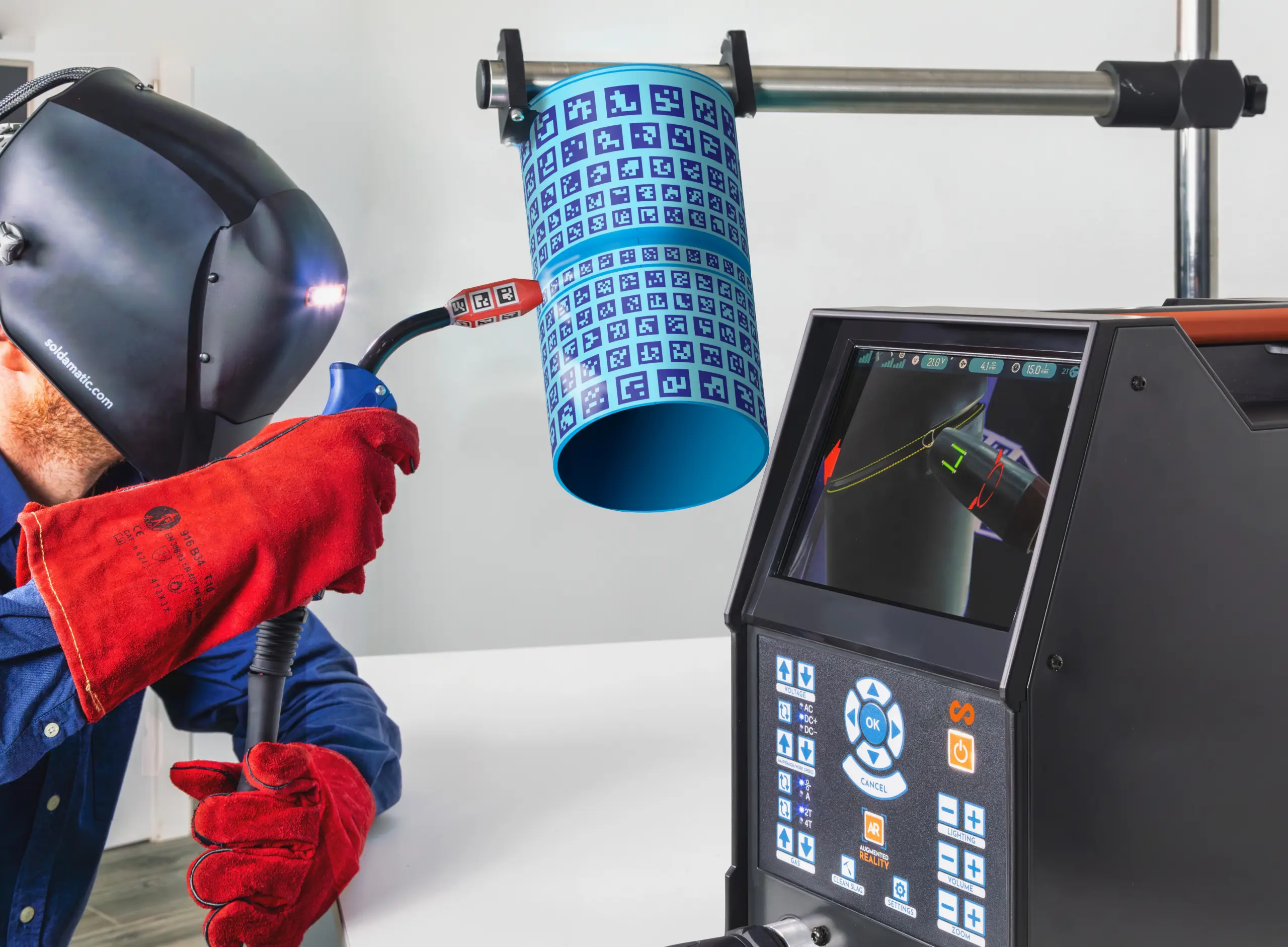
Numerous courses are accessible for educators interested in using our advanced welding simulator Soldamatic, developed in collaboration with pertinent organizations, including DVS, AWS, CESOL, and others. If you want more information about the content of these welding courses, we recommend you visit our courses section on the website. The integration of various practical exercises, coupled with these courses and the e-learning software, constitutes what we refer to as “Augmented Training“, the learning methodology that is changing the way the world teaches and learns.
3. Practice Regularly
The old saying “practice makes perfect” remains applicable in the world of welding. Allocate enough time to engage in hands-on practice, improving and refining your welding skills across diverse positions and materials.
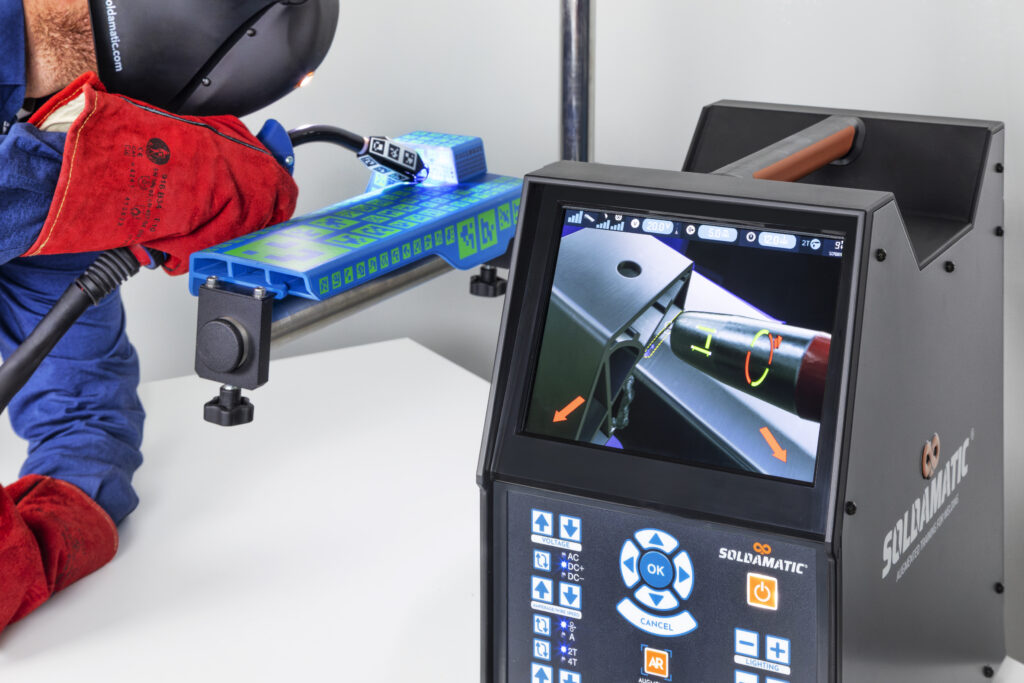
With Soldamatic, you can practice infinite times! This welding simulator allows you to choose unlimited combinations of practical exercises without wasting materials. This practical experience not only improves your technique but also boosts your confidence when facing certification tests.
4. Understand Welding Codes and Standards
Familiarize yourself with welding codes and standards that are relevant to your chosen field
A perfect example of this point is the WPS or Welding Procedure Specification. The WPS is the technical data sheet that includes all the information about the welding to be performed. In the eyes of an inexperienced welder, this sheet only contains a lot of numbers and codes, but in the eyes of an experienced welder, the WPS is all you need to execute the perfect weld.
5. Prepare for the Certification Exam
Certification exams are designed to assess your welding skills and knowledge. Obtain study materials, practice tests and any recommended resources from your training program. Focus on the specific aspects covered in the certification exam, including welding positions, techniques, and safety procedures. An adequate preparation will increase your chances of passing the exam with confidence.
6. Safety First
Safety is essential in welding. Before taking any certification exam, ensure you are well informed about safety protocols and procedures. This includes understanding the proper use of personal protective equipment, handling welding equipment safely, and recognizing potential hazards in the work environment. Safety knowledge not only protects you but also demonstrates your commitment to a secure and efficient workplace.
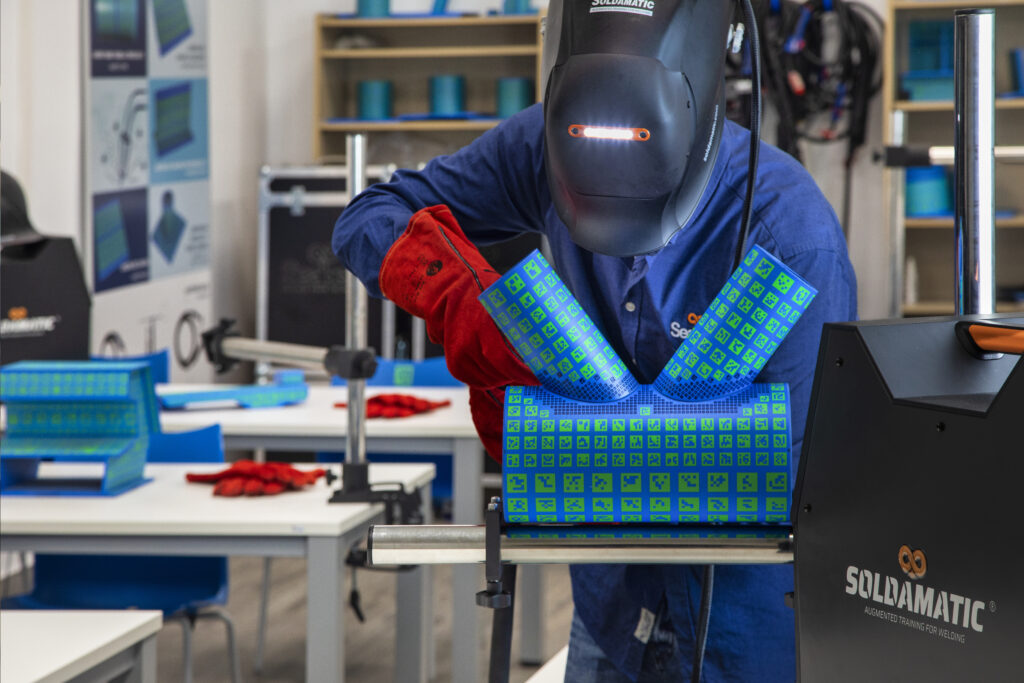
Seabery’s technology is powered with Augmented Reality. It enables students to engage in simulated environments, where they can realistically practice without constraints, risks, or associated expenses, until they develop the essential skills and abilities required to transition to a real-world setting.
7. Seek Guidance and Networking
Connect with experienced welders, instructors, and industry professionals. Networking provides valuable insights into the industry, potential job opportunities, and advice on navigating the certification process. Seek guidance from those who have successfully obtained welding certifications, and do not hesitate to ask questions. Their experiences can offer valuable tips and encouragement.
“Practice makes perfect.”
Obtaining welding certification is a significant accomplishment that opens doors to numerous career opportunities. There are many vocational schools and industrial companies that have already implemented Soldamatic Augmented Training to improve the quality of their welding training.
regularly, and preparing for exams, you will be well-equipped to embark on a successful welding career. Remember, dedication, continuous learning, and a commitment to excellence are key factors in achieving and maintaining welding certification.