Pipeline Welding Training: Skills & Standards
- Home /
- Industrial services /
- Pipeline Welding Training: Skills & Standards
Within the industrial world of fluid and gas transport, the welding of pipelines is a critical and highly specialized discipline. As companies pursue automation, digitalization, and more rigorous methodology, pipeline welding training must evolve accordingly. In this article we will explore the core skills required for pipeline welding, the standards and certification landscape that underpin quality and safety.
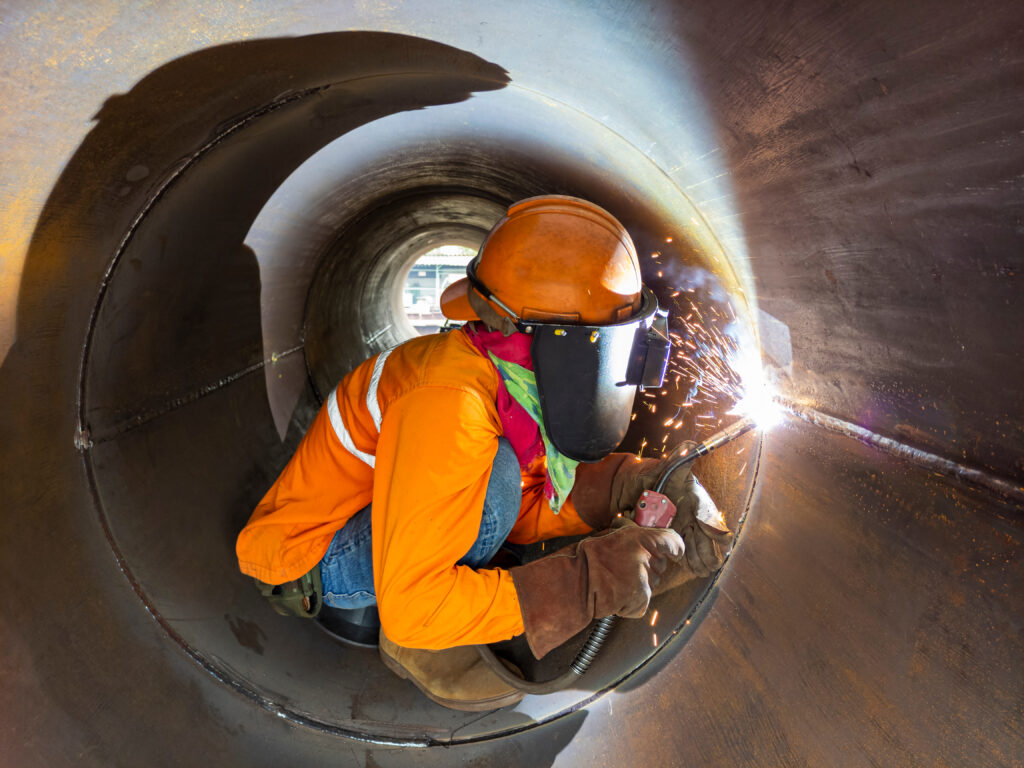
Pipeline welding demands a blend of manual skill, theoretical knowledge and situational adaptability.
To ensure welds are safe, reliable and meet industrial expectations, there are key standards and certification routes. Pipeline welders must complete rigorous certification and qualification processes to ensure they can perform safely and effectively in demanding industrial environments.
This includes demonstrating proficiency in multi-positional welding, particularly the 6G position, which is considered the most challenging for pipework due to its fixed, inclined orientation.
Welders also need to show competence across different material groups and joint configurations, following the strict requirements set out in industry training standards.
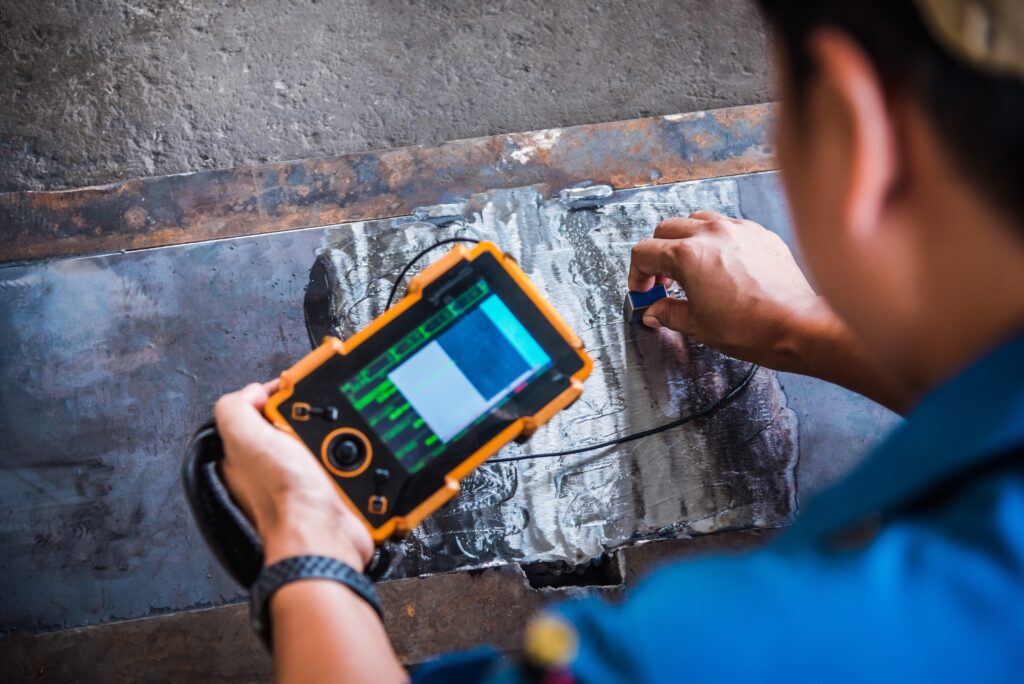
As part of the qualification route, candidates must pass both visual inspections and non-destructive testing (NDT) procedures, which verify the internal and external integrity of their welds and ensure compliance with operational and safety regulations.
Pipeline welding training today must follow a modern methodology that integrates realistic practice, automation and digitalization to meet industrial demands.
Training programs need to replicate real field conditions; including correct joint preparation, beveling techniques and environmental challenges, to ensure welders can perform reliably on site.
As automation becomes more prevalent in pipeline construction, mechanized and semi-automatic welding systems are increasingly incorporated to improve consistency, productivity and overall weld quality.
Alongside these technologies, digital record-keeping of welding parameters and performance metrics has become essential, providing traceability, supporting quality assurance processes and enabling data-driven decision-making throughout the welding workflow.
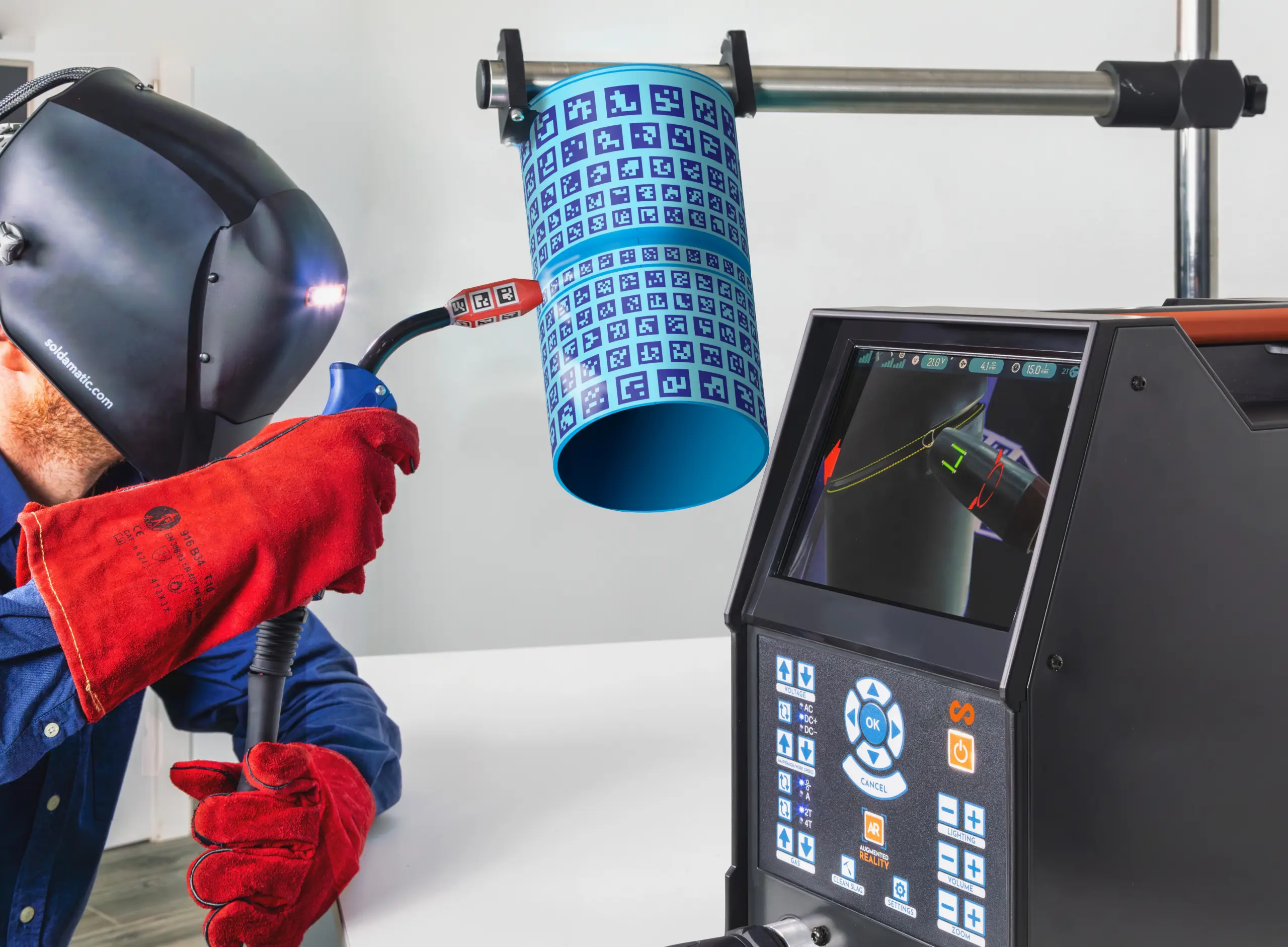
At Seabery, we recognize the evolving needs of industrial sectors such as oil & gas, maritime, rail and automotive where high-integrity pipeline welding is required. Seabery Welding Simulator brings several advantages specifically relevant to pipeline welding training.
Trainees can practice girth welds, 6G positions, and multiple material types without consumable cost or safety risk. Furthermore, the simulator records weld parameters, motion paths, travel speeds, among other parameters that enable data-driven feedback aligned with certification standards.
Pipeline welding often involves remote sites, high pressures and environmental hazards, using AR early in training mitigates risk and allows learners to build competence before going on the job. The digital coupon supports repetition, error correction, and ongoing skill tracking; all important given the high-stakes nature of pipeline welding in industrial contexts.
· Realistic simulation of complex welding positions and joints
· Integration of process and digitalization
· Adaptability to industrial requirements
· Scalable and safe training environment
· Enhanced methodology and quality focus
Pipeline welding is not simply a manual trade: it is a discipline where precision, methodology, certification, automation and digitalization converge.
With the right training and tools in place, pipelines can be welded more reliably, safely, and efficiently; supporting both quality outcomes and long-term operational integrity.