Crime Scene Investigation Training: Step-by-Step
- Home /
- Virtual CSI /
- Crime Scene Investigation Training: Step-by-Step
Crime scene investigation (CSI) is one of the most critical pillars of modern law enforcement and forensic science. The accuracy of evidence collection, documentation, and preservation directly affects the outcome of criminal investigations and judicial proceedings. As crimes become more complex and criminals more sophisticated, the demands placed on investigators continue to grow.
Traditional crime scene investigation training, however, often struggles to provide enough realistic practice, varied scenarios, and consistent assessment. This gap has led training institutions worldwide to explore more effective, scalable, and immersive approaches to CSI education—ones that combine procedural rigor with hands-on experience.
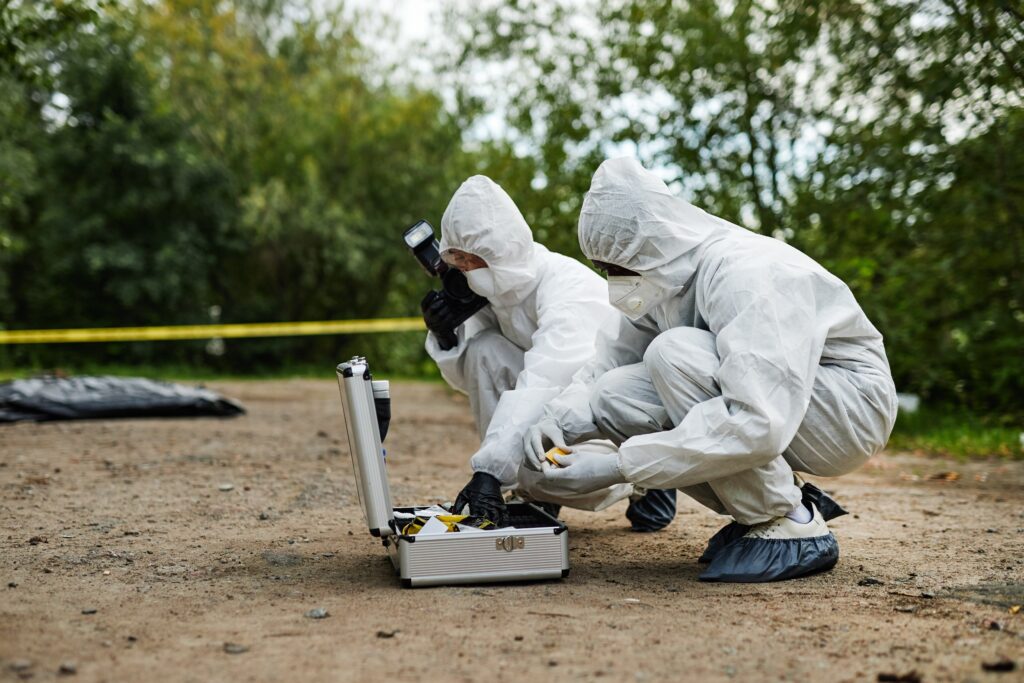
Crime scene investigation training prepares professionals to properly identify, secure, document, analyze, and preserve physical evidence at a crime scene. It combines forensic science principles with standardized operational procedures to ensure evidence integrity from the first response to laboratory analysis.
A comprehensive crime scene investigation training program typically includes:
High-quality training is essential not only for police officers, but also for forensic technicians, criminologists, and first responders involved in evidence handling.
Crime scene investigation training prepares professionals to properly identify, secure, document, analyze, and preserve physical evidence at a crime scene. It combines forensic science principles with standardized operational procedures to ensure evidence integrity from the first response to laboratory analysis.
A comprehensive crime scene investigation training program typically includes:
High-quality training is essential not only for police officers, but also for forensic technicians, criminologists, and first responders involved in evidence handling.
Effective CSI training follows a structured methodology that mirrors real-world investigative workflows. Below is a step-by-step breakdown commonly used in professional training programs.
The first step is to isolate and secure the area to prevent contamination or loss of evidence. Trainees learn how to:
This phase emphasizes discipline, situational awareness, and procedural accuracy.
Before touching anything, investigators must observe the scene carefully. Training focuses on:
This step is crucial for forming initial hypotheses while preserving objectivity.
Movement within the scene must be controlled. CSI training teaches how to:
This phase reinforces teamwork and coordination.
Once the scene is secured, investigators begin the detailed search for evidence. Training includes:
Attention to detail and consistency are key learning outcomes here.
Before leaving the scene, investigators must ensure all procedures are properly completed. Trainees practice:
This final step ensures traceability and accountability throughout the investigation.
The evolution of crime scene investigation training has highlighted the limitations of purely traditional methods.
| Aspect | Traditional CSI Training | Digital & Immersive CSI Training |
| Scenario variety | Limited | Multiple realistic scenarios |
| Cost efficiency | High operational costs | Up to 90% cost savings |
| Assessment | Manual and subjective | Real-time monitoring and analytics |
| Engagement | Often low for digital natives | High immersion and interaction |
Digital approaches allow institutions to train more investigators in less time, without compromising quality.
Errors made at a crime scene cannot be undone. Inadequate training can result in:
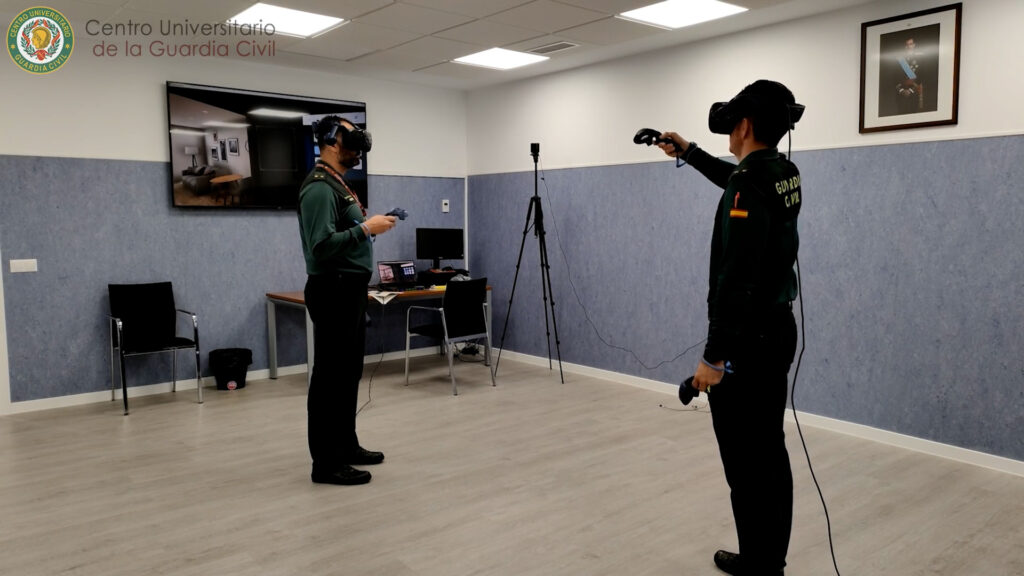
Seabery has applied its expertise in immersive training technologies to the field of forensic education through Virtual CSI, a digital solution designed to modernize crime scene investigation training.
Virtual CSI digitizes the technical visual inspection process at crime scenes using virtual reality technology. It enables trainees to practice realistic investigations in safe, controlled environments while following standardized procedures. Key benefits include:
Crime scene investigation training must evolve alongside the challenges faced by modern law enforcement. Step-by-step, procedure-driven education remains essential—but how that training is delivered makes all the difference.
By combining structured methodologies with immersive digital environments, institutions can ensure investigators are better prepared, more confident, and more consistent in real-world scenarios. Solutions like Seabery’s Virtual CSI represent a forward-looking approach that aligns effectiveness, scalability, and realism—helping shape the next generation of forensic professionals.