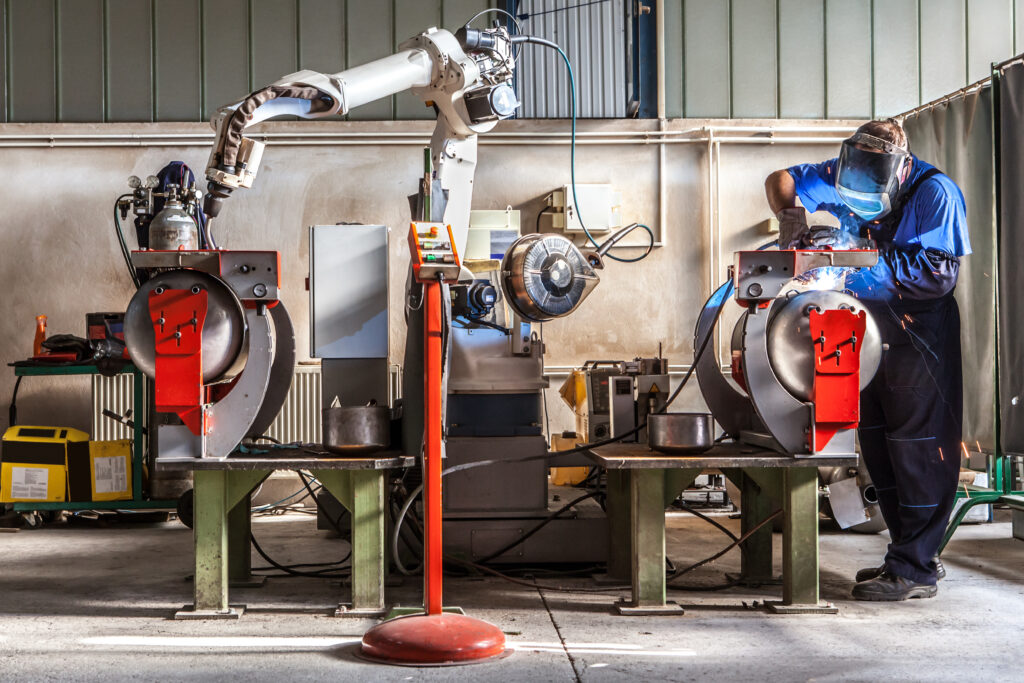
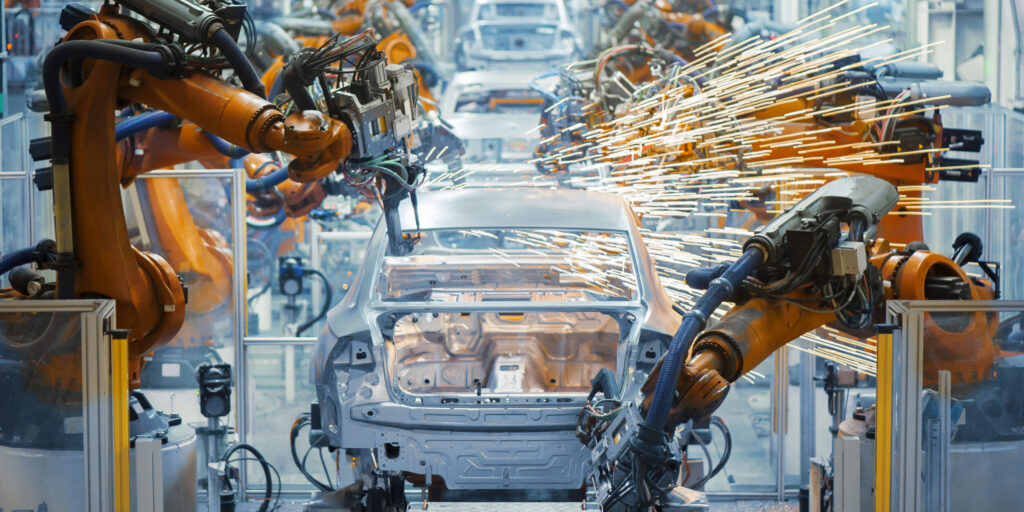
Welding processes are undergoing a profound transformation. Automation, digitalization, and cutting-edge technologies are reshaping how we join material; making operations faster, safer, and more reliable. Among these advancements, robotic welding has gained significant momentum.
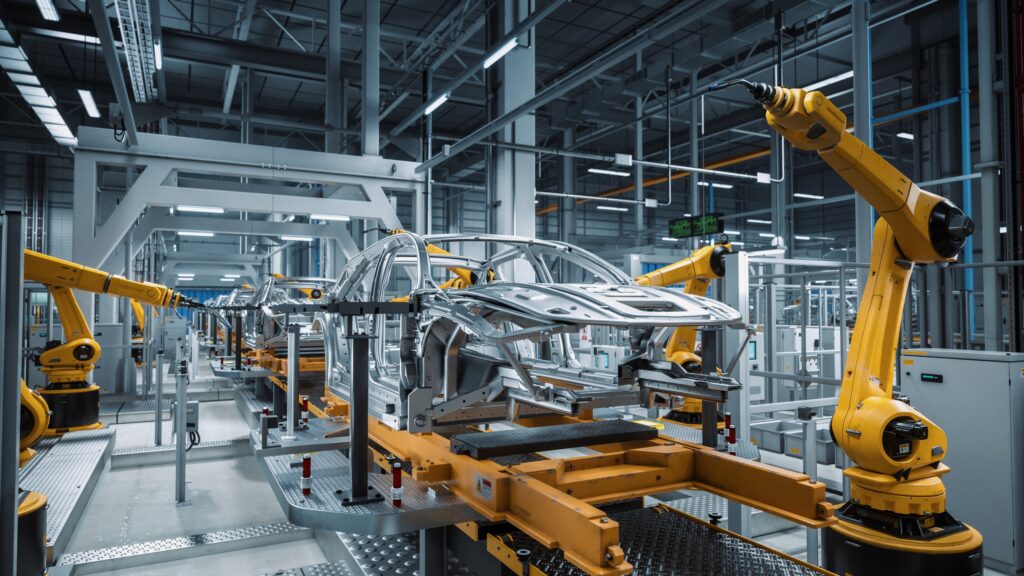
A core advantage of robotic welding is its precision and repeatability. Unlike manual welds, which can vary based on fatigue or human error, robotic systems deliver uniform welds every time:
These consistent, high-quality outcomes are invaluable in sectors like automotive and aerospace, where stringent welding standards apply.
Robotic welders dramatically enhance production capacity:
These factors translate into faster time-to-market and improved production scalability.
While robotic systems involve upfront investment, long-term savings are substantial:
Collectively, lower consumable use, reduced rework, and optimized labor lead to a leaner, more cost-effective operation.
Welding exposes workers to serious hazards such as burns, UV radiation, toxic fumes, heavy equipment, and ergonomic strain. Robotic systems effectively mitigate these risks:
This safer environment not only boosts morale but also reduces liability and insurance costs.
The welding profession is facing a global workforce decline: aging demographics, fewer young recruits, and high attrition. In the U.S., about 330,000 new welders are needed between now and 2028. Robotic welding helps bridge this gap:
Adoption of robotics becomes not just beneficial, but essential to maintain competitiveness.
Modern robotic welding is highly versatile:
This adaptability enables tailored automation solutions across industrial environments.
Robotic welding systems are integral to digitalized, Industry 4.0 environments:
These technologies enhance traceability and support methodical optimization of welding processes.
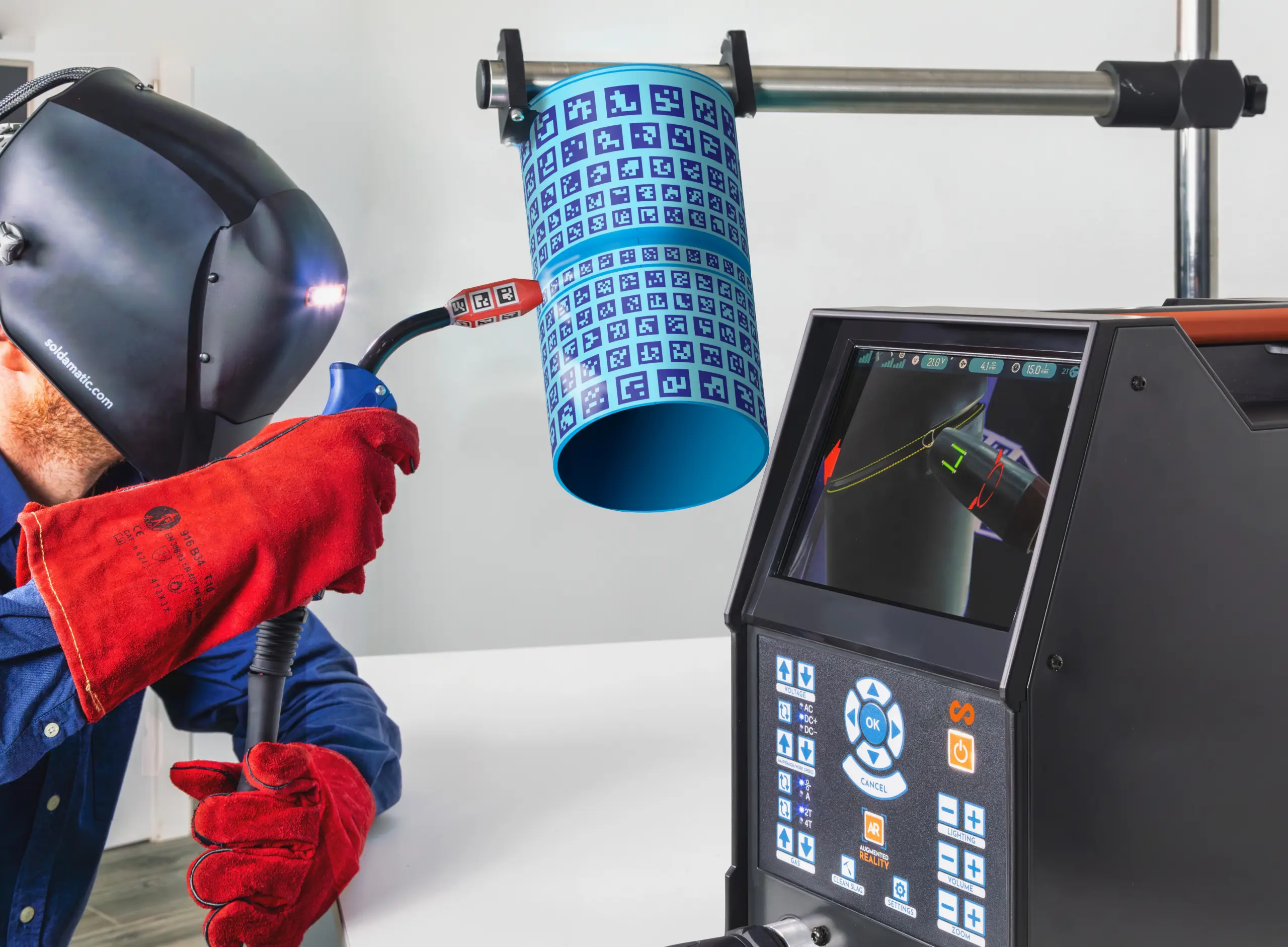
Seabery Robotic Welding Simulator offers an innovative solution via Soldamatic for Robotics, an augmented reality‑based welding simulator designed specifically for robot welding training.
Robotic welding stands at the forefront of industrial modernization; delivering unmatched consistency, efficiency, safety, and flexibility. As digitalization and workforce shifts accelerate, these systems are no longer optional but essential.
In adopting sophisticated automation paired with immersive training, manufacturers can forge a sustainable and digitally proficient welding workforce: ready for the future of industrial production.